AI Clone vs Human Videos: Ultimate Comparison Guide
Digital clones vs traditional filming: compare cost, speed and authenticity, then see how Argil's Playground, Director and Templates fit either approach.
Video content has exploded in popularity in recent years, with users on TikTok, Instagram and YouTube favoring short videos over all other forms of content. HubSpot's 2026 State of Marketing Report found short form video is now the most popular content format among marketers, and 93% say video is an important part of their strategy overall.
Creating videos is no easy feat, though. Creators who want to keep up with the latest trends and grow their platforms can spend hours each day filming, editing and scheduling videos, leaving little time to brainstorm new ideas and grow their channels.
The challenges of traditional video creation – such as cost, time and limited scalability – can prevent smaller content creators from making as many videos as they would like, and can even lock some out of the field completely.
Luckily, AI is completely revolutionizing the entire video production process. Now, anyone can create video content using a simple text prompt, without even needing to own a video camera.
Quick answer: an AI clone trained once from a short recording of you will almost always beat traditional filming on cost and speed, while still sounding and looking like you. Filming with a real person still wins on raw authenticity for a single major shoot. For everything else – regular content, product explainers, a running series – an AI clone is now the more practical choice, and platforms like Argil have closed most of the quality gap that used to make clones look robotic.
In this article, we'll explore AI driven methods of creating video content, such as training a digital clone vs with AI editing and optimization tools.
We'll also compare videos made with AI clones to "human videos" and assess whether spending more time in front of the camera actually translates to better video content and higher engagement.
AI Clones vs Human Videos: Cost Savings
So, clone vs with AI vs "human" video content – which is more affordable?
One of the biggest barriers to entry for content creators wanting to make videos is the cost. Smaller creators and those who are just starting out may not be able to afford expensive filming and editing equipment. Plus, not knowing whether their career is going to take off, they might consider investing in these things too risky.
Filming a "human" video (where you or another person/people appear on camera) is undoubtedly the most expensive option. From hiring actors to crew members, filming equipment and renting a studio, costs can easily run into the thousands per video once crew and studio time are factored in.
Creators can make savings with AI tools. For example, instead of hiring a professional video editor or producer, they might use AI software that doesn't require technical skills – but that still leaves them with extensive filming costs.
By far the most affordable way to create video content is through an AI clone. This is where, using a tool like Argil, you create a digital avatar that looks and sounds like you to perform in your videos.
It's not as scary as it sounds – these days, sophisticated AI tools use machine learning and natural language processing to accurately mirror human expressions, tone of voice and mannerisms.
However, not all AI cloning tools are created equal. There are plenty of video avatar tools on the market that claim to generate realistic avatars, but the results are usually fake looking and robotic.
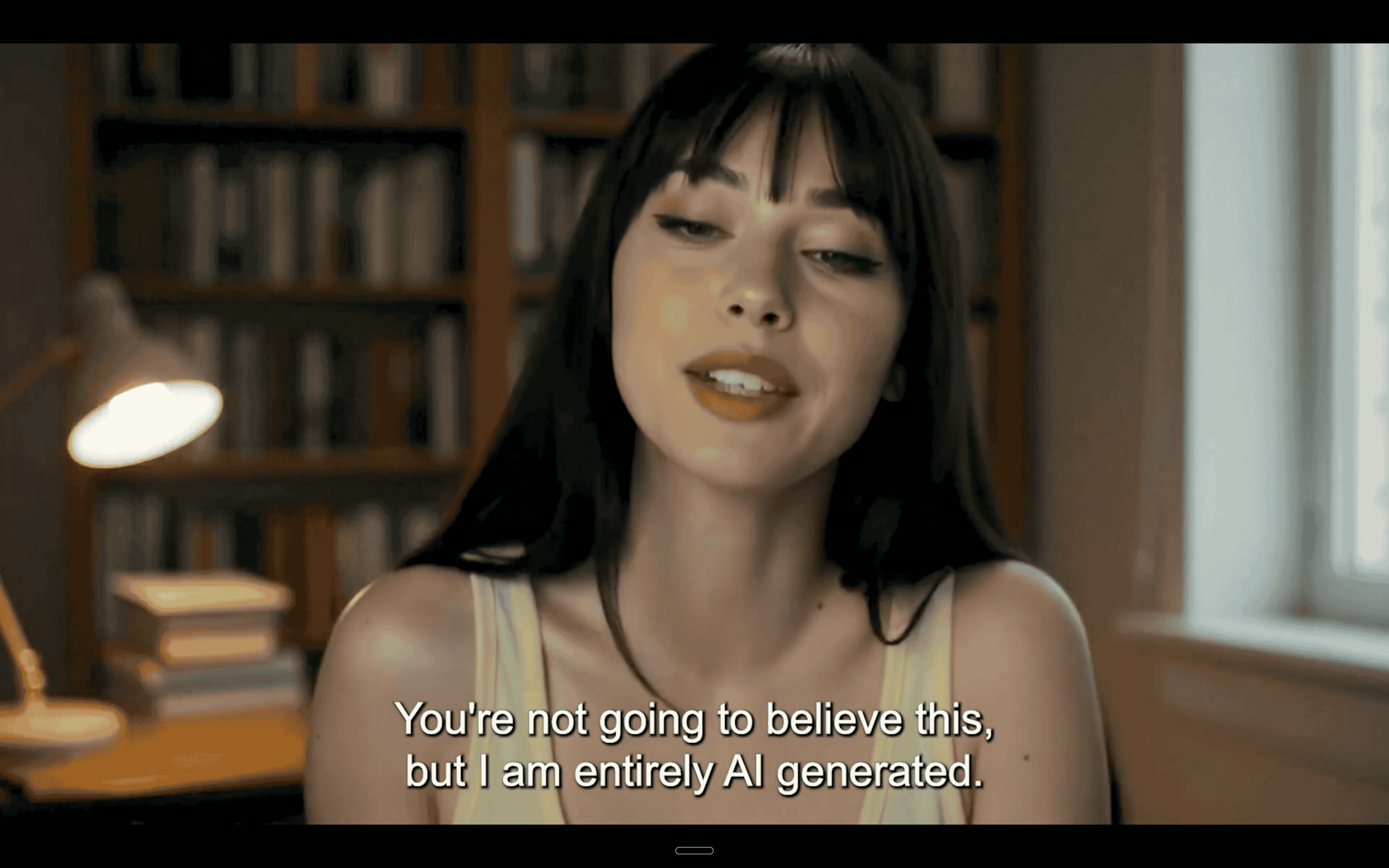
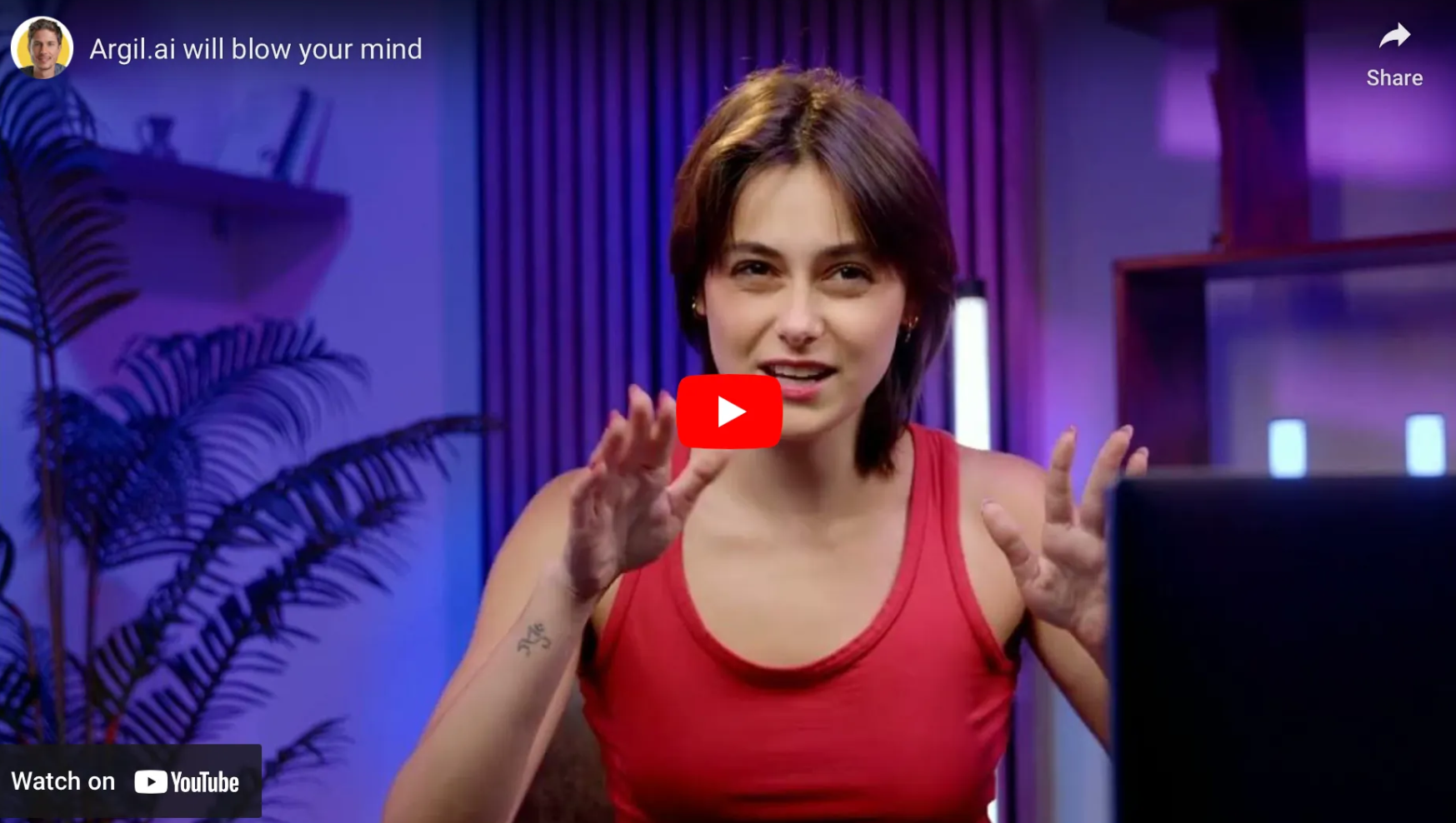
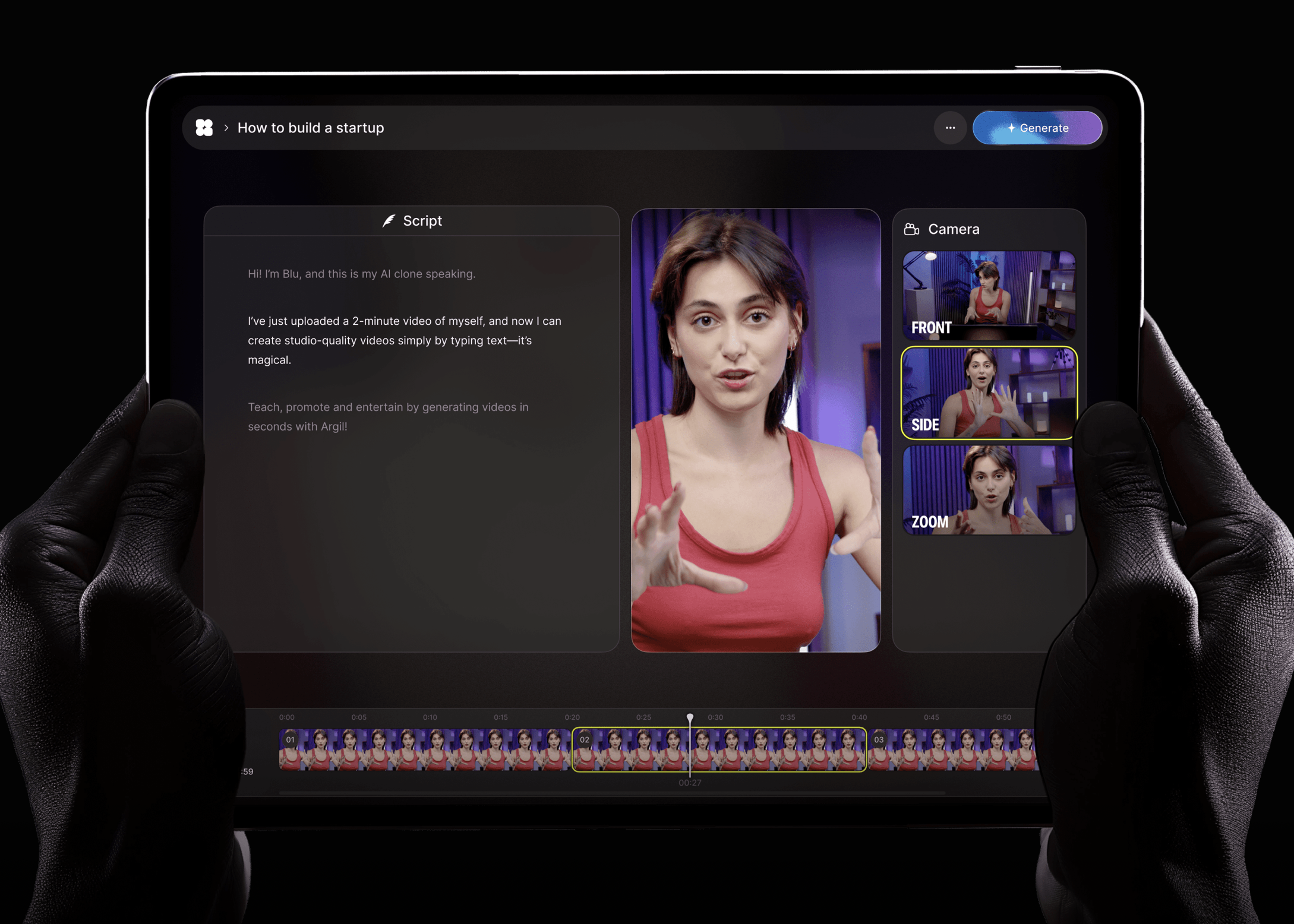
This is where Argil is different. All you need to do is record a two minute selfie video of yourself speaking, and Argil generates a natural looking and sounding avatar that brings a human quality to your videos. Check out this example of one of our highly realistic avatars, and you'll see what we mean.
Because the avatar is trained once and reused across every future video, AI clones cut video production costs dramatically compared to booking a crew for every shoot – which is why they're often the preferred choice for startups, solo creators and SMEs with tight budgets. Argil's current plans, from a free tier up through Pro, Business and Enterprise, are the place to check exact pricing, since plan details and limits change over time.
Digital Clone vs with AI: Time Savings
One of the biggest questions that content creators ask when they're researching AI video generation is how they can save the most time – with AI clones vs with AI editing tools?
Traditionally, the process of creating videos was incredibly time consuming, usually involving several stages such as script writing, shooting, editing, post production and optimization. Filming and editing a single video could take weeks, which slows down momentum for creators who want to grow fast.
Automating any part of this process will save you time – whether you're using an AI writing platform to generate your script or employing AI editing tools – but what if you could automate the entire video production process, from script generation to publishing?
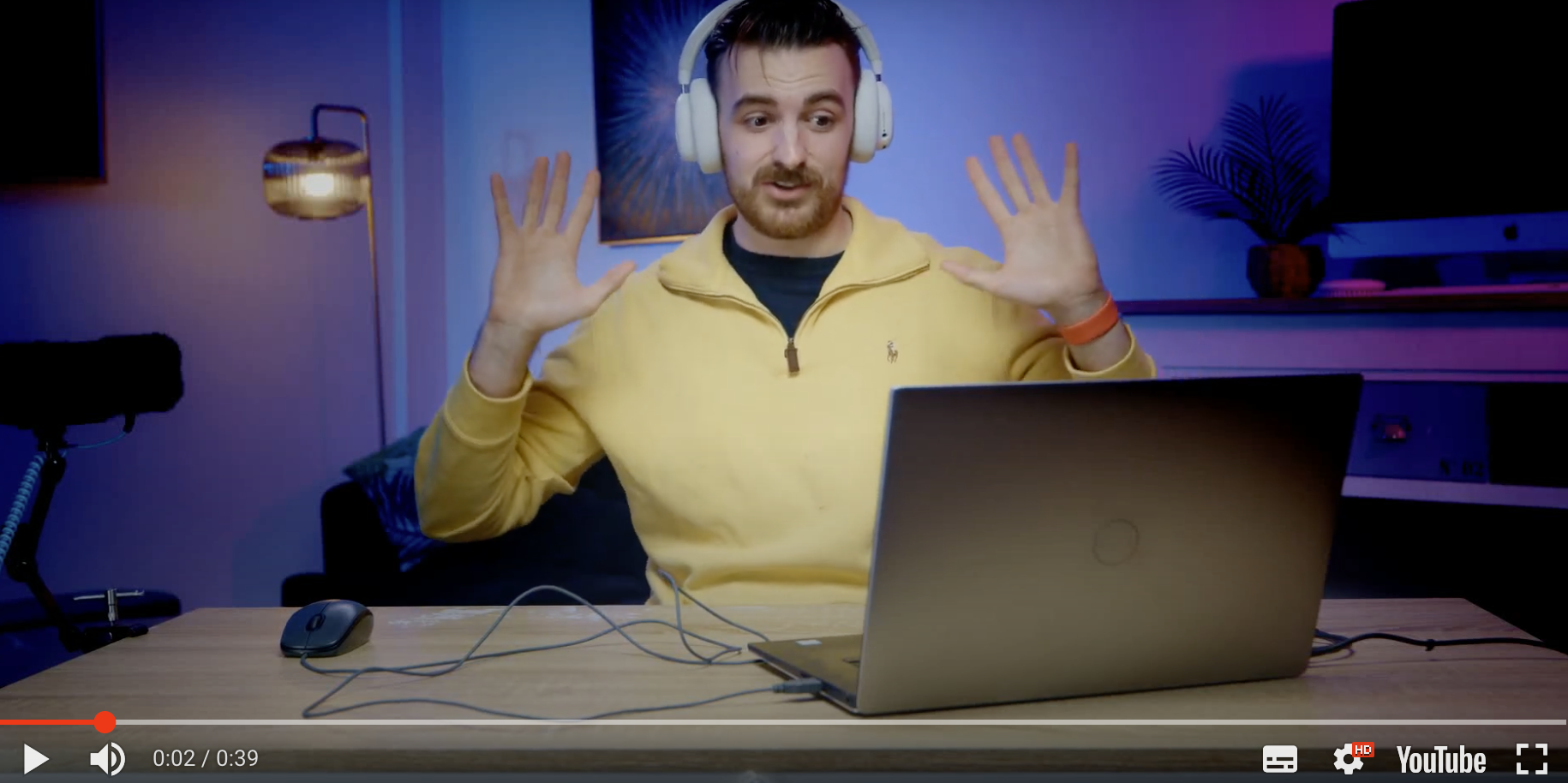
Argil is a complete AI video platform built around three surfaces that cover different jobs. If you want granular control over a single asset, Playground lets you work model by model on individual images and video clips. If you'd rather start from an idea and let the platform take it to a finished video, that's Director – which now reaches well past short clips into a full film or a series with several episodes. And when a format has already worked once, Templates let you plug in a new entry point, variables and instructions instead of rebuilding it from scratch. Using a simple text prompt or URL and your digital clone, Argil generates a polished video draft complete with dynamic B-roll, visual transitions and captions.
This faster turnaround will no doubt give you a competitive advantage in the world of YouTube and TikTok algorithms, but it will also boost the quality of your videos using AI insights and suggestions that learn as you grow.
For example, Argil analyzes trending topics on your platform of choice and highlights "hooks" in your content that are predicted to get the most engagement.
In the AI clone vs with AI debate, time savings are a major factor for creators and small businesses looking to scale quickly, since one trained clone can be reused across dozens of scripts without ever booking a crew again.
Digital Clone vs with AI: Authenticity & Personalization
When it comes to AI clone vs with AI, any video containing humans acting on camera will obviously be the preferred choice for authenticity and personalization in a single major shoot.
However, using human actors is not only costly and time consuming, but it can also limit creativity and scalability due to these factors.
The benefits of using AI clones for marketing and content creation are clear – they can be utilized at any time, they don't need breaks, you won't have to reshoot scenes, and they can perform video scripts in just about any language or dialect.
Until recently, though, AI avatars have looked and sounded robotic, meaning content creators don't want to use them. But change is here – Argil's AI technology ensures that your clone aligns with your brand identity and delivers content in a human, lifelike way. This is also central to building a personal brand through video at scale, where consistency of appearance across dozens of videos matters more than any single perfect take.
When evaluating clone vs with AI for video production, maintaining audience trust is an important factor.
Argil offers the best of both worlds – speed and scalability, with authentic and lifelike clones that are unique to your personality and brand identity. See more on how creators are actually using their AI clone across different formats.
Maximize Creative Control & Flexibility with Argil
In the clone vs with AI discussion, scalability is a decisive factor for video creators and brands who want to grow online.
By using Argil's AI video creation platform, you'll be able to save money and time while growing your audience on YouTube, TikTok and Instagram. You can scale without sacrificing authenticity or personalization, and without spending hours every day filming and editing video content.
AI clones are completely revolutionizing the content creation space, allowing influencers, marketing teams and small businesses to produce far more content without increasing their production costs or hiring additional team members.
Although it may sound counterintuitive, relying more on AI than human actors and employees will give you more creative control and freedom, allowing you to create videos from anywhere at any time at a moment's notice. If you're working in a fast moving niche like pop culture or politics, this will allow you to stay on top of the latest news and respond fast to trends without waiting on a crew's schedule.
FAQ: Digital Clone vs with AI
Is an AI clone the same as a deepfake?
No. An AI clone is trained on video of you that you record and own, and it is only used to generate content you approve. A deepfake typically uses someone else's likeness without consent. Argil's clones are built from your own selfie video, for your own use.
How much footage do I need to create an AI clone?
With Argil, a two minute selfie video is enough to train a natural sounding, natural looking avatar. You do not need a studio, a camera crew or professional lighting.
Do I need a different tool once a project outgrows a short clip?
No, not on Argil. The same clone and the same Director workspace carry a project from a single social post through to a feature length piece, so growing the scope doesn't mean switching platforms or starting the setup over.
So if you're ready to get started with Argil today, sign up for free to try Playground, Director and Templates for yourself, and see how fast you can scale when you're empowered by AI.