AI Clones: Examining Avatar Gestures in Synthesia
Synthesia's Express-2 avatars gesture automatically, but you can't direct them. See how Argil gives you full control over AI clone gestures instead.
Digital avatars are driving a revolution in video marketing. Over the past few years, AI has successfully democratized the entire video production process, making it accessible and efficient for smaller creators and teams with limited budgets.
Gone are the days of spending thousands of dollars on an expensive video camera or needing to hire an experienced editor to create professional grade videos. With today's AI tools, anyone can produce high quality videos with captions, voiceovers, visual effects and even digital avatars to deliver their message.
There has been a huge rise in the creation of sales and marketing videos using custom AI clones, and you can see the appeal. Creating and training a lifelike digital avatar means you can produce multiple videos without having to appear on camera or do multiple retakes. It's a great, accessible option for people who are shy about appearing in videos, and it frees up humans to work on more valuable, meaningful tasks.
As a result of this increasing demand, there is no shortage of players in the new space of avatar generation. The problem is that the quality of these avatars, and how well you can actually direct their gestures and animations, still varies a lot from platform to platform.
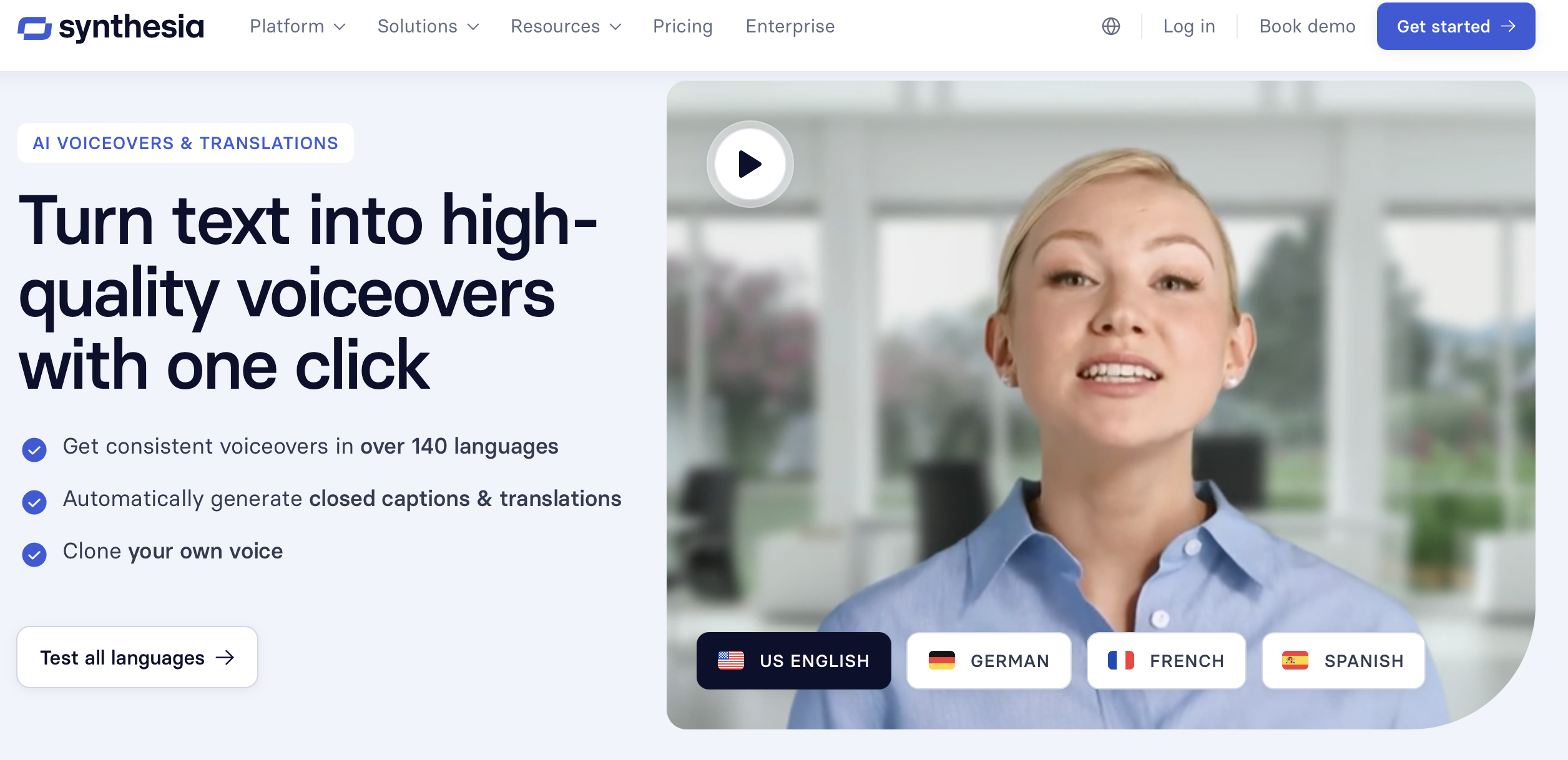
Take market leading tool Synthesia for example. This platform says it's used by more than 50,000 companies, including a large share of the Fortune 100. Synthesia has invested heavily in avatar realism with its newer Express-2 avatar engine, but as we'll cover below, you still can't direct exactly how those avatars move. We believe the potential of digital avatars extends beyond what these tools can offer, and we have a solution.
In this article, we'll explore avatar gestures in Synthesia, focusing on the platform's strengths and real limitations as an AI clone generator. We'll also showcase Argil as an alternative tool for those looking for more expressive, realistic and directable digital avatars.
Explaining Avatar Gestures in Synthesia
Synthesia offers a range of preset generic avatars. The company's current avatar engine, Express-2, generates full body gestures automatically from your script, combining hand and body movement with facial expression and lip sync, and it's a real step up from the more static avatars the platform used to be known for.
The catch is in the word "automatically." According to Synthesia's own help documentation, gestures on an Expressive Avatar are generated from your script and can't be limited, turned off, or directed the way you'd coach a human presenter. You can nudge the delivery with voice style settings and phrasing, but you can't choose a specific gesture and place it at a specific line the way you can storyboard a human performance.
This is fine if you want a quick video and you're not overly concerned about controlling exactly how your avatar moves. But in the context of a business working to instill trust in potential buyers, or a creator building a personality driven brand, it's easy to see how handing gesture control entirely to an algorithm could fall short of expectations.
Is HeyGen Any Better?
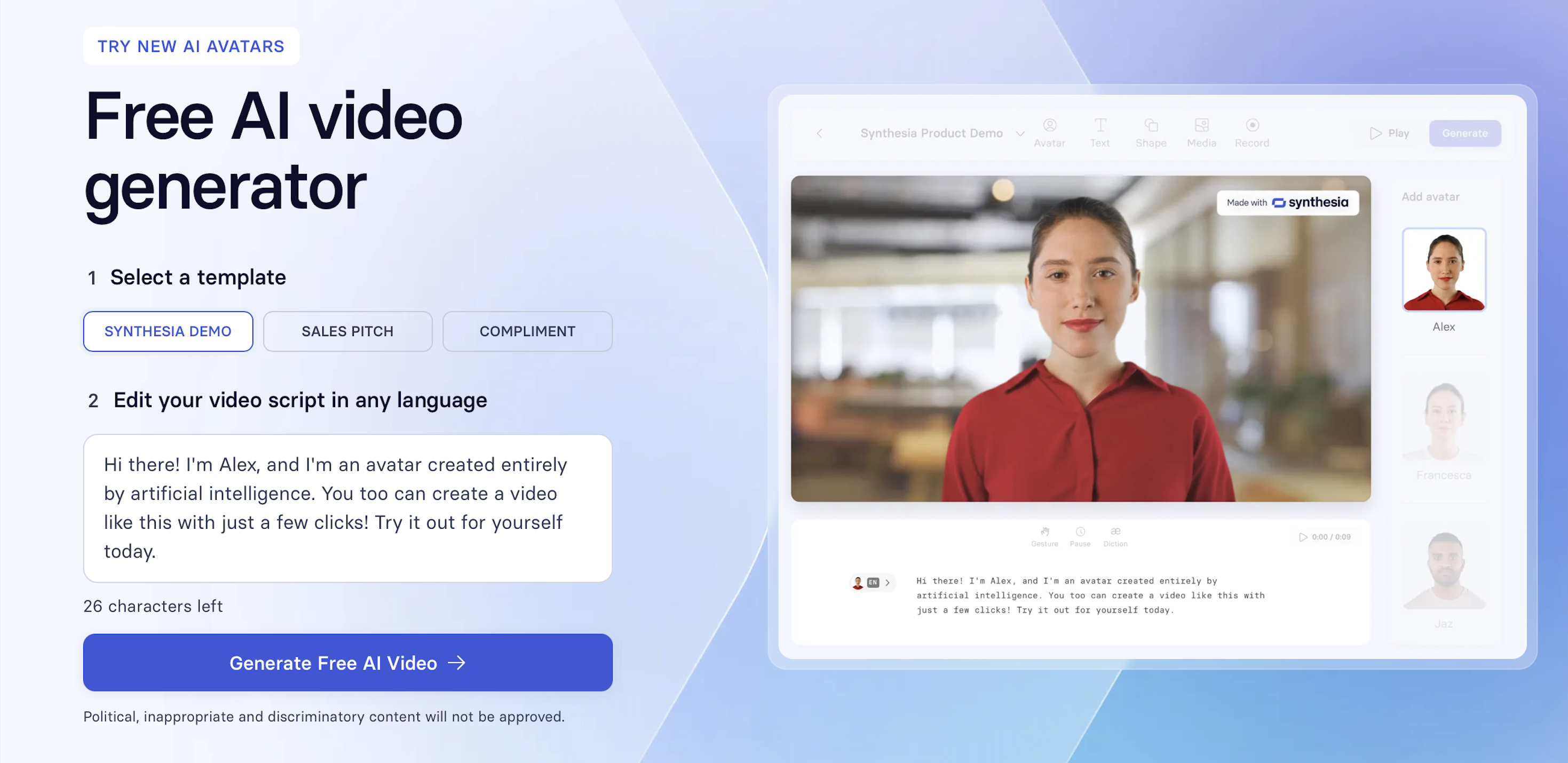
HeyGen is a popular avatar creation tool that lets you produce videos with AI generated avatars and voiceovers. You can choose from a selection of custom avatars or create one with your face.
Like Synthesia, HeyGen leans on automated gesture generation. You can nudge posture and movement with text instructions, but that's still a prompt telling the system what to aim for, not a specific gesture you recorded yourself and placed at a specific line.
Why Gesture Control Is Important for Digital Avatars
On Reddit, users report that Synthesia avatars can still feel stiff or repetitive even with newer avatar engines. These are the kinds of pain points that matter, because engagement and viewer retention tend to drop off when an avatar doesn't feel genuinely expressive.
If you're using a digital avatar to deliver important content to your audience, you need your viewers to actually connect with your message. A gesture you picked out and placed yourself reads more naturally on screen than one a script parser generated for you, and that difference is what builds trust and keeps people watching. This matters just as much for personal brands built on video as it does for a company trying to convert viewers into buyers.
We know that in marketing and sales, human connection is key. Your digital clone is the face of your brand when you create and share video content, and consumers will quickly switch off if they're not engaged, or they can tell your avatar is low quality. This is also true for educational and instructional videos where retention is crucial. Just like in real life, your speaker needs to be able to engage your audience, and the key to fostering that engagement is authentic gestures and eye contact.
Argil has a solution for this. You record the exact gestures you want your clone to perform, we train the clone on that footage, and you decide where each gesture goes in the finished script rather than handing that decision to an engine.
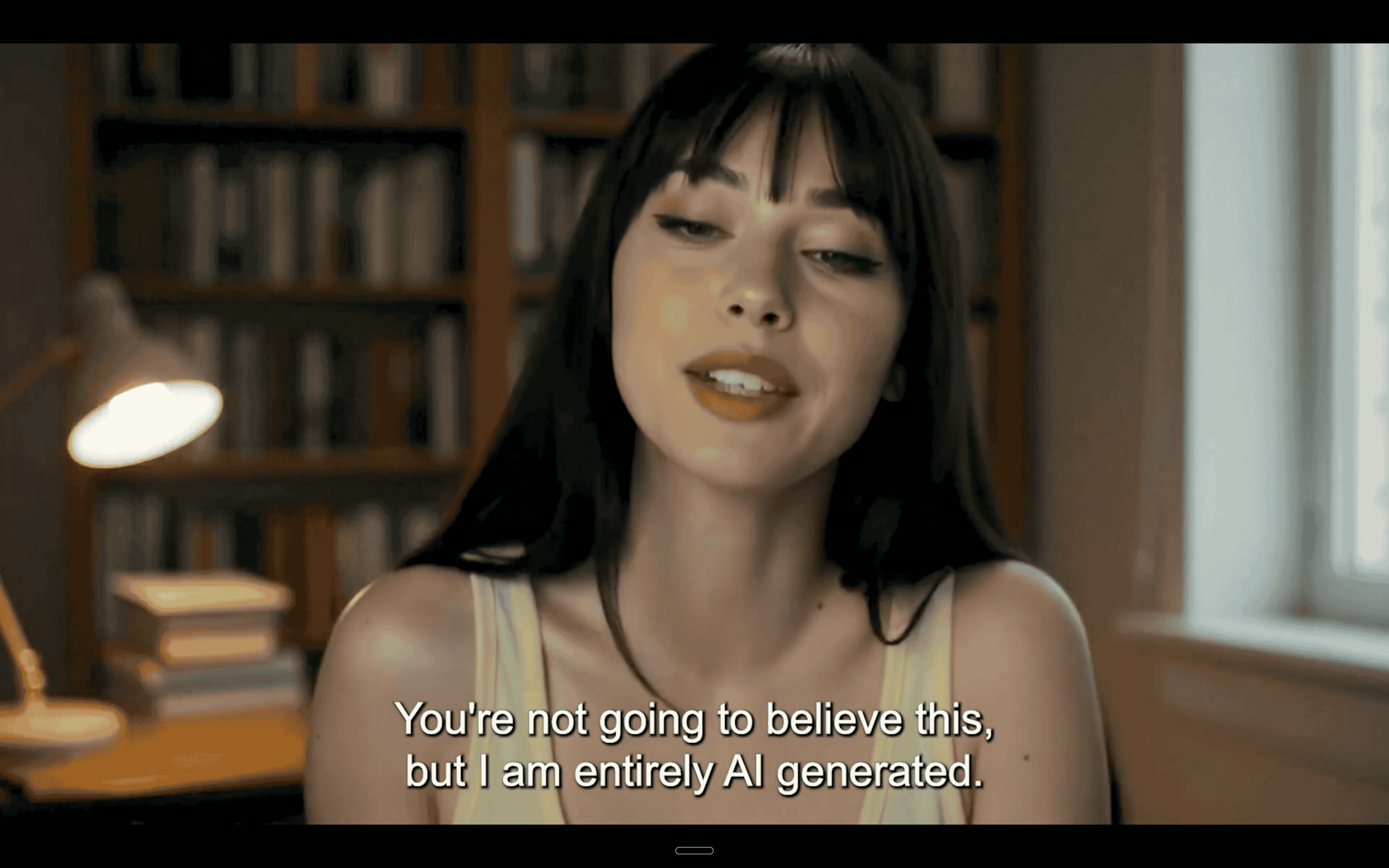
Check out this video of one of our AI avatars at work, and you'll see the difference.
Our clones are also multilingual and can gesture in different languages, a feature that's still largely missing from most popular AI avatar tools.
Introducing Argil: The Directable Alternative for Lifelike AI Clones
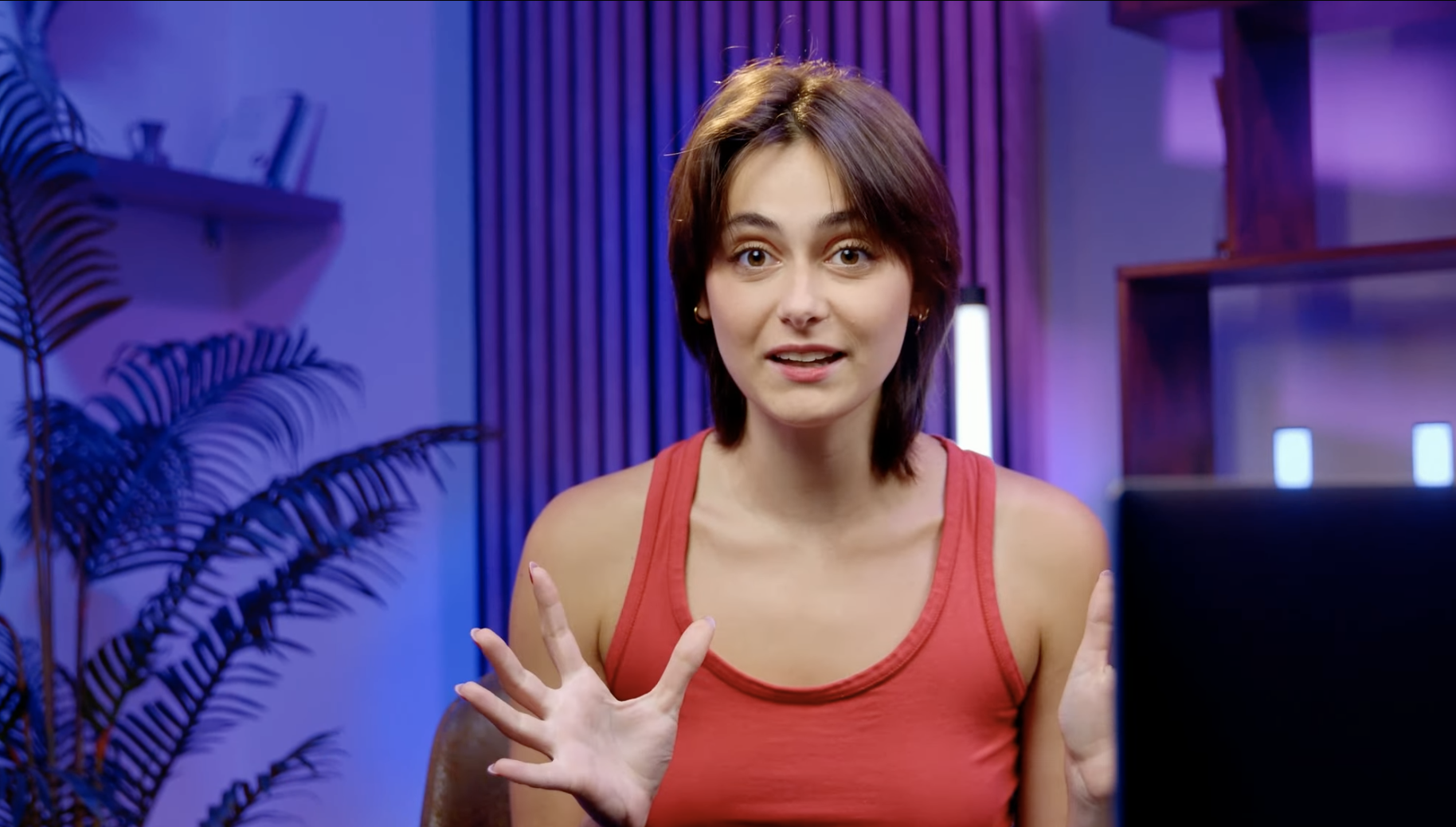
Argil takes a different approach to Synthesia and HeyGen. Our tool gives you direct control over gesture and expression, so your clone performs the specific movements you gave it rather than a generic set an engine picked on your behalf.
It's also easy to use. All you'll need to do is record a short guidance video of yourself speaking, plus a handful of specific gestures you want your clone to be able to perform, and Argil trains your AI clone from that footage, matching your natural body movements and speech nuances. From there you can build videos in Argil's Playground, Director, or Templates surfaces depending on the job, whether that's a single quick clip, an end to end idea-to-finished-video build, or a repeatable template for recurring content. For a closer look at how the underlying gesture and clone tech compares across platforms, see our full AI clone versus human video comparison.
Standout features include:
Personalized Gesture Training
This feature equips your avatar with the ability to perform the specific gestures you recorded, mirroring your own body language and speech style. Synthesia and HeyGen don't offer this level of control, which is one of the reasons their avatars can still look automated even as the underlying tech improves.
Dynamic Gesture Selection
Using Argil's platform, you choose which recorded gesture goes where in your script, matching movement to tone or emotional cues at the exact line you want.
AI Editing Suite
Our editing suite includes automatic B-roll, captions, background music, and transitions to make your videos more polished and engaging, plus branding elements and clickable calls to action so you can keep every video on brand and drive viewers to act.
With these features in mind, Argil gives you more say over the final result than tools built around fully automatic gesture generation, particularly in scenarios where high engagement matters.
If you're creating a social media short from an existing video, for example, you won't have long to capture your audience and make an impression. You don't want your viewers to swipe away because your avatar's movement feels generic or out of sync with your message.
The same applies to brands and businesses needing to instill trust and drive consumers to make a purchase. A clone that moves the way you intended is simply more believable, and a believable delivery tends to convert better than one that feels automated.
How to Create More Natural Digital Avatars
Want more control than an automatic avatar gives you? Try these tips when using Argil's digital avatar tool.
Record a Varied Set of Gestures for Your AI Clone
It's worth recording a genuinely varied set of gestures rather than reusing the same two or three. Spend time choosing the right gestures for your message, and make sure each video you create draws on gestures that suit that specific script.
Align Digital Avatar Gestures with Script
You should also take care to align gestures with the tone of your script. For example, you can have your avatar shake its head for negative commentary, or open its hands for a welcoming statement.
Test Your AI Clone
You can also test different avatar personalities and gesture placements in Argil's editing suite to see which combination best fits your audience and message before you publish.
Fed Up With Automatic Avatar Gestures? Try Argil Today
Synthesia and HeyGen are fine tools if you're new to digital avatars and want to experiment, or if you're a casual user who doesn't need much control over how your avatar performs.
If you want to create a personal, human connection with your audience, you'll need a tool where you get to choose the performance, not just approve whatever the model produced.
Argil bridges this gap, giving you advanced facial expression and gesture controls alongside an AI powered editing suite, so you can create professional grade videos in minutes.
If you're looking for more control than Synthesia's automatic gestures give you, try Argil today and see how a directable digital avatar can enhance engagement and power up your brand growth.