Best AI Avatar Services for Influencer Content in 2026?
Influencers and creators are increasingly turning to AI avatars to help them create more consistently. Here are the best AI avatar services for influencer
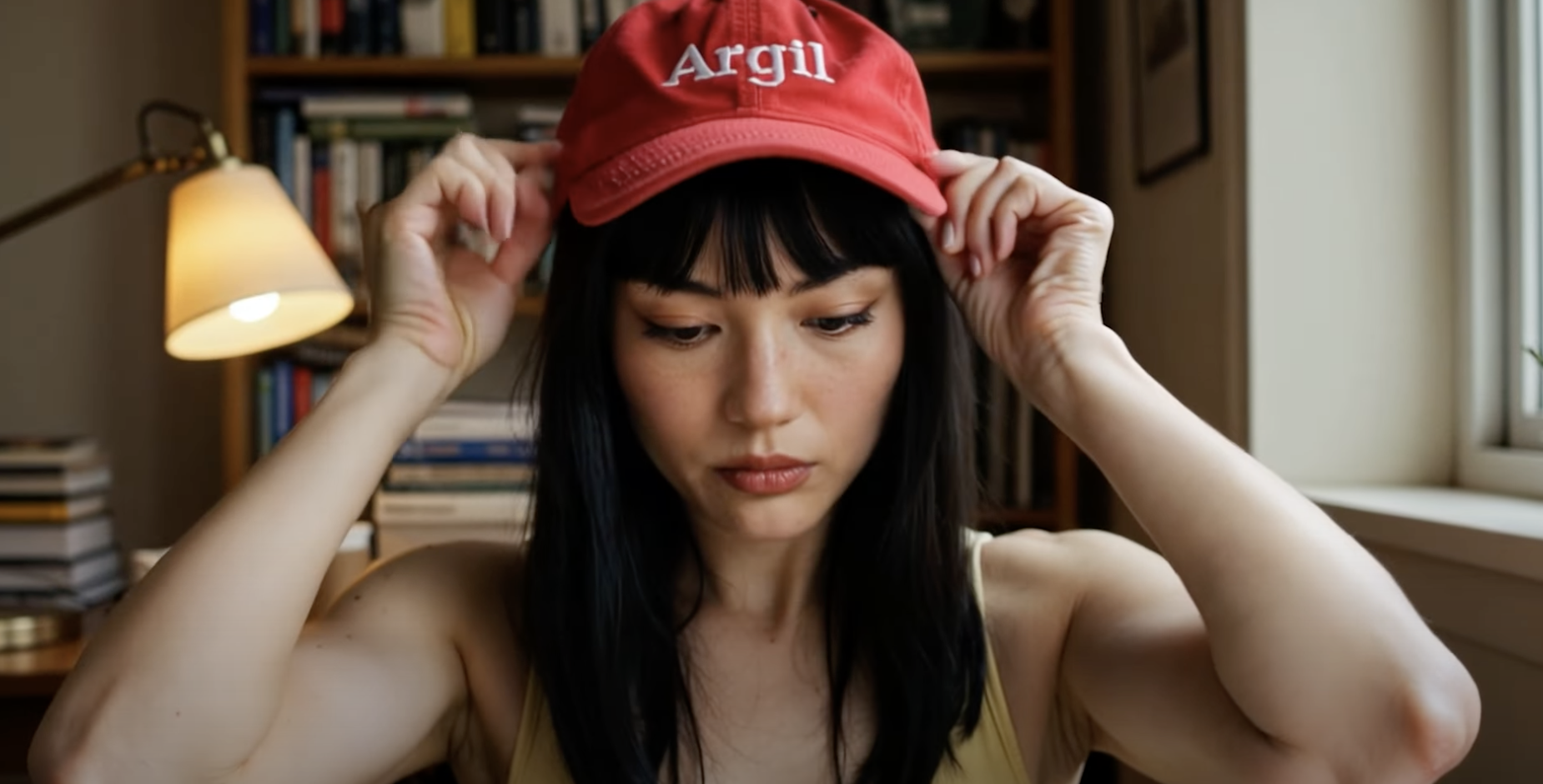
You already know the problem: posting daily on TikTok, Reels and YouTube Shorts without burning out or spending your whole budget on production. That's the search behind most queries for AI avatar tools built for influencer content, and it's what this guide compares.
Not every AI avatar tool is built for that job, though. Some are designed for corporate training and compliance videos. Others are made specifically for creators, agencies and faceless brands who need to publish daily. Below, we break down what separates a basic avatar generator from a genuine content co-pilot, and which tools are actually made for influencer scale.
Why Creators Are Turning to AI Avatars
Daily short form posting is the baseline now for audience growth on TikTok, Instagram Reels and YouTube Shorts alike. If you're not posting multiple times per week, someone else in your niche is, and they're probably getting the followers and the brand deals.
The problem for modern creators is obvious. Filming yourself constantly is exhausting: good lighting, a presentable face, and the energy to perform even on a day you'd rather skip. Because of this, most creators start strong and then burn out within a couple of months without earning a single cent.
AI avatars solve this by turning a script into a talking head style video, complete with captions, transitions and B-roll, through tools like Argil's video creation platform. The whole process takes about 10 minutes, and after the initial avatar training, you don't need to be on camera again.
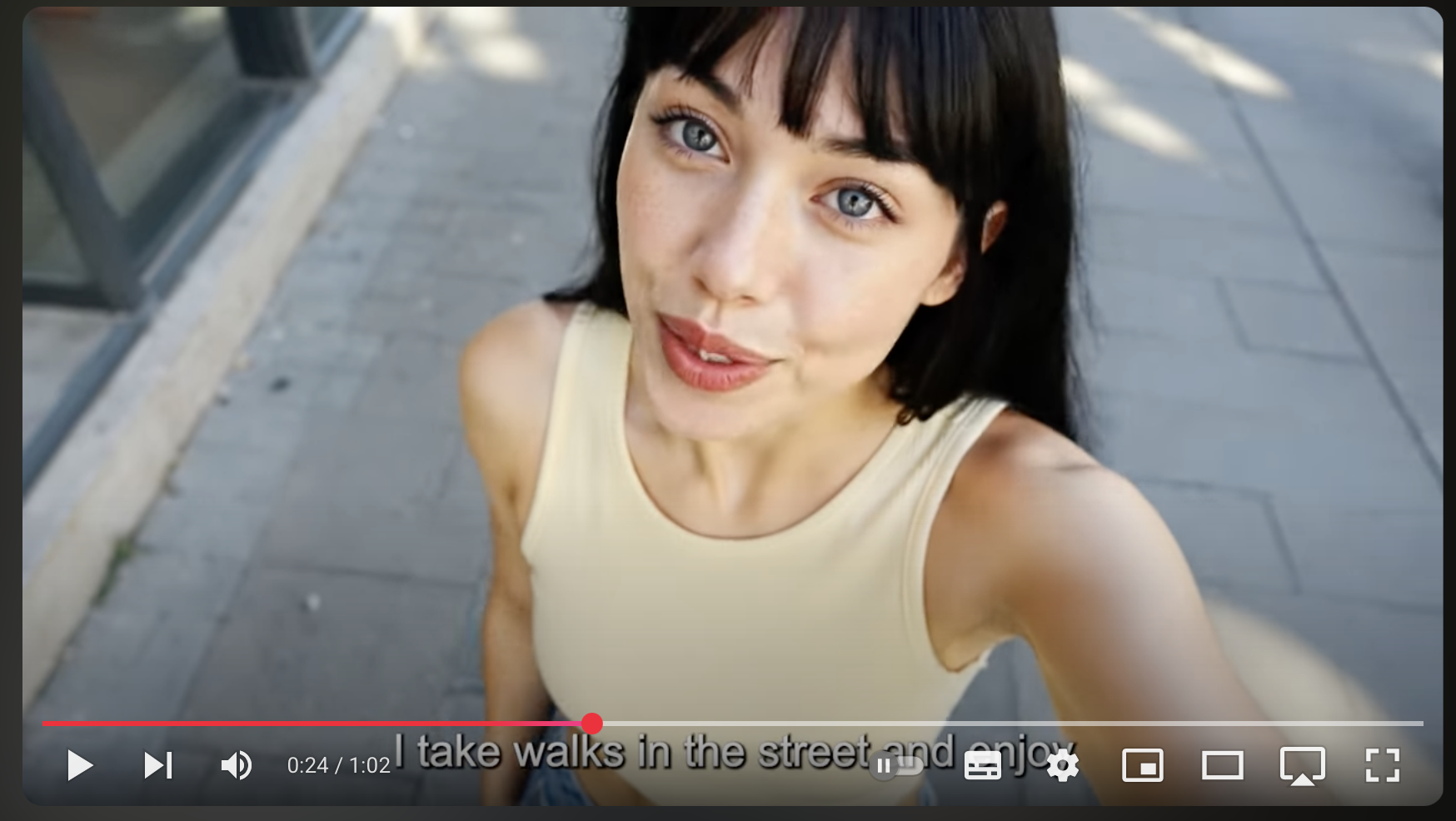
Some digital creators use these avatars to launch faceless channels covering productivity, study advice or personal finance.
Others are testing new personas or language markets without the overhead of standard video production. Plus, a new category of AI native influencers (or V-Tubers, short for "virtual YouTubers") is growing fast. These are channels that only exist through avatars and still get millions of views, despite there being no human presence behind them.
Individual creators aren't the only ones using AI avatar tools, either. Agencies managing multiple influencers can lean on this tech to maintain high frequency posting without overwhelming their clients with filming requests.
Avatars have moved from novelty to a real growth and monetization lever for creators who use them well. First, a quick look at what these services actually do before comparing the options.
What Do AI Avatar Services Do?
A good AI avatar service takes over most of the video workflow, so creators are no longer bogged down by manual tasks like filming and editing.
These tools can generate lifelike AI avatar videos from text, scripts or existing content (such as a newsletter, blog article or PDF). You can either use template avatars or train a custom AI clone to walk, talk and move like you.
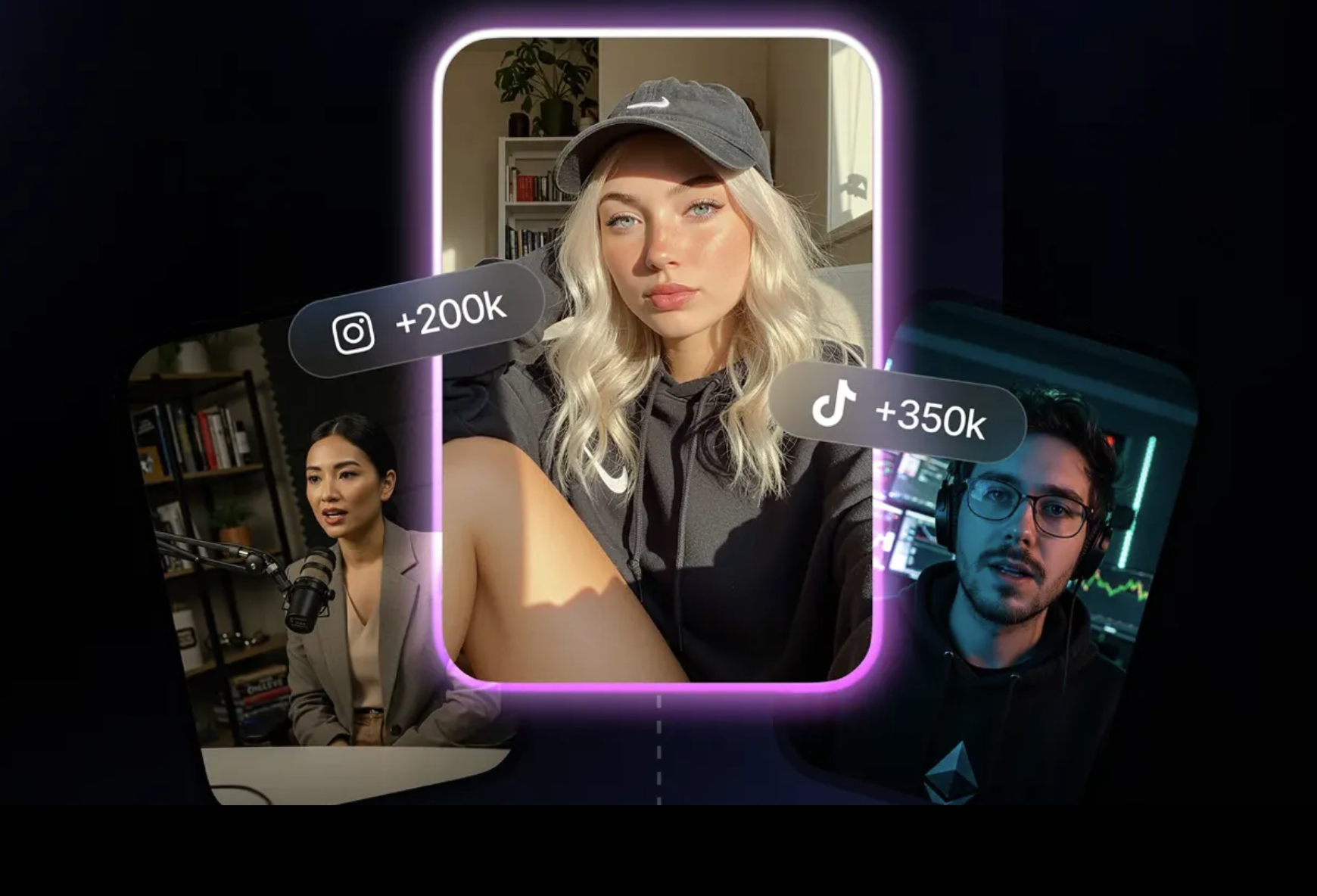
The output looks like a real person talking on camera, complete with natural lip sync, human expressions and fluid body movement. Good AI avatar tools include multilingual voice synthesis, facial expressions and emotional delivery that hold up at short form pace.
These are the features worth checking before you commit to one:
- Vertical 9:16 format ready for TikTok and Reels
- Auto captions that actually sync properly
- Fast output, script to video in minutes, not hours
- Natural delivery that doesn't look robotic
- Multiple language support
- Batch creation for publishing at volume
The influencer still directs the content. The tool just takes over the repetitive filming and editing that stops most creators from even getting started.
The 3 Types of AI Avatar Tools and What They're Used For
Corporate Avatar Generators
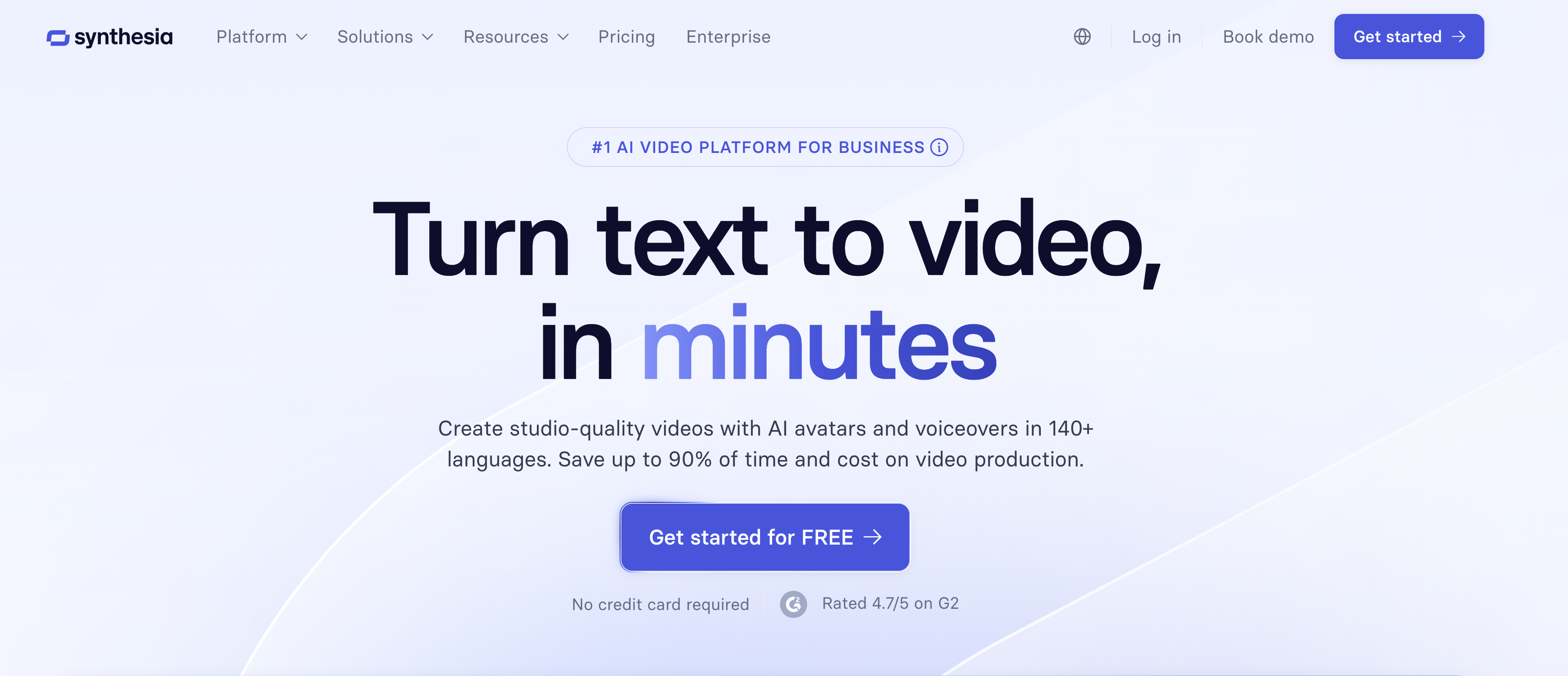
Corporate tools are the ones you'll hear about first, and it's worth understanding upfront why they're not the pick for creator content.
Synthesia, D-ID and Elai are the established names here, and they're strong at what they're built for. Synthesia carries a 4.7 rating on G2 with thousands of reviews and is used by companies like SAP and Heineken for training and compliance videos. D-ID and Elai market themselves the same way: learning and development, sales enablement, internal communications. Every case study on their sites is a corporate training scenario, not a TikTok feed.
That's the tell. These platforms were designed around longer, scripted, presenter style videos for internal audiences, so daily vertical posting at volume was never in the brief, and batch creation for a content calendar isn't part of the workflow.
Professional Avatar Tools
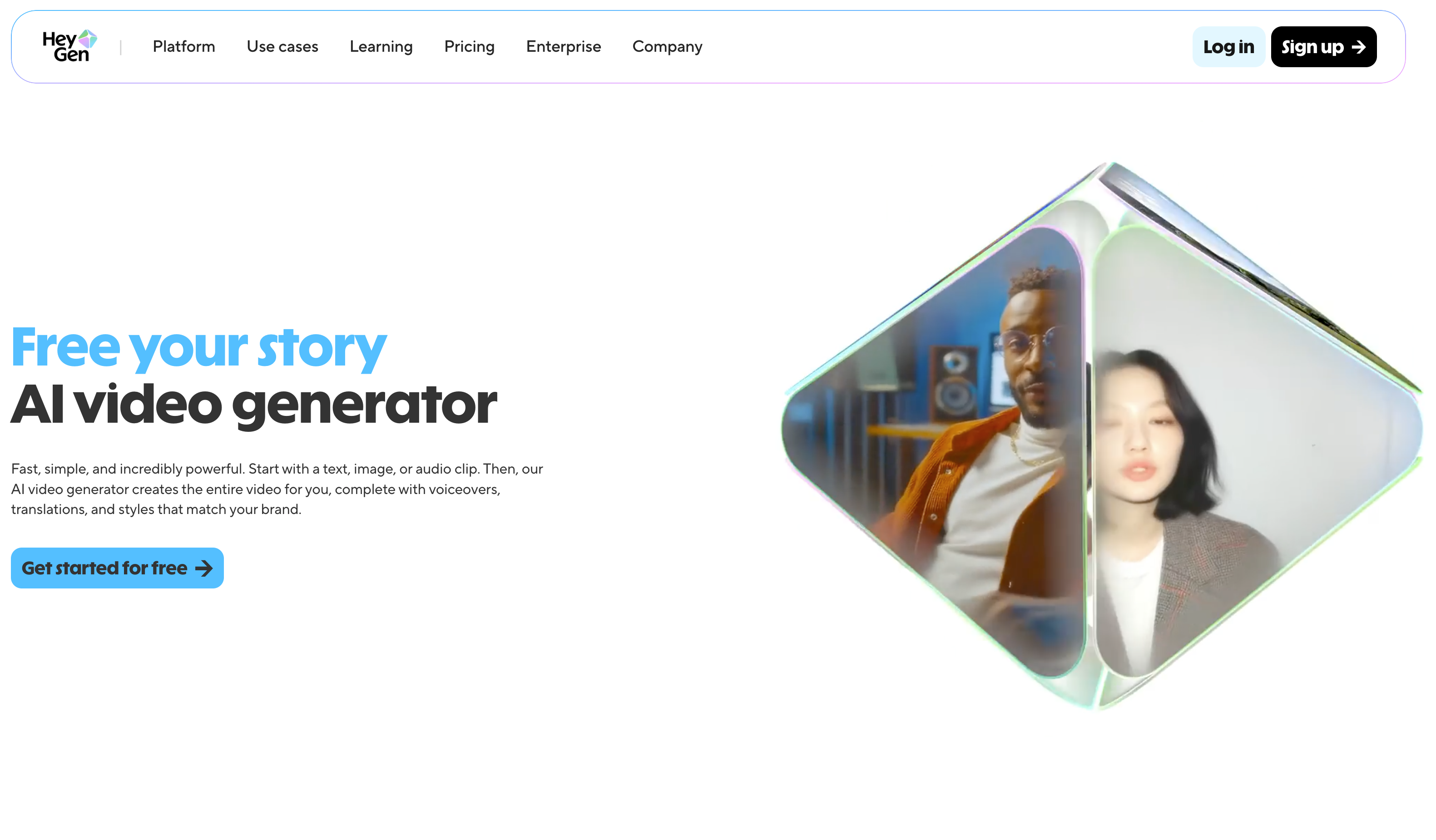
Platforms like HeyGen, DeepBrain and HourOne sit a step closer to influencer use cases. HeyGen in particular has built a strong reputation for realism, with over 1,000 G2 reviews and lip sync across 175+ languages, and educators and B2B creators use it for exactly that reason.
Setting up a custom avatar here takes more time and budget than the corporate tier, usually from a reference video or photo. Once it's built, the editing pipeline is still fairly manual and linear: you're polishing one video at a time rather than pushing out a week's worth of content in a single sitting.
That workflow holds up fine for a monthly explainer video. It becomes the bottleneck the moment you're trying to ship five or ten videos a week.
AI Content Co-Pilots
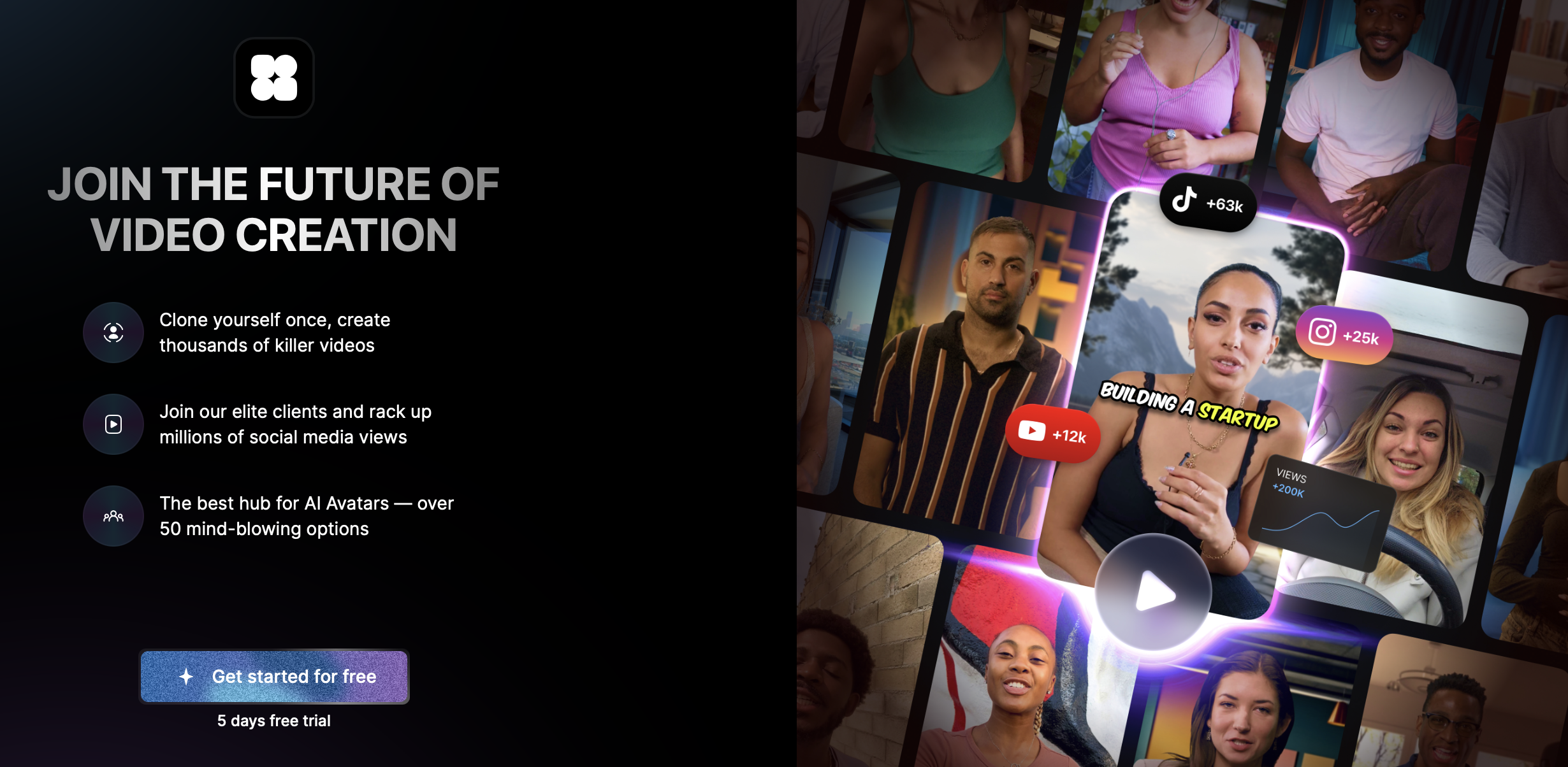
This is where a genuine AI content co-pilot lives. Tools like Argil are purpose built for short form creators, faceless brands and agencies creating content at scale.
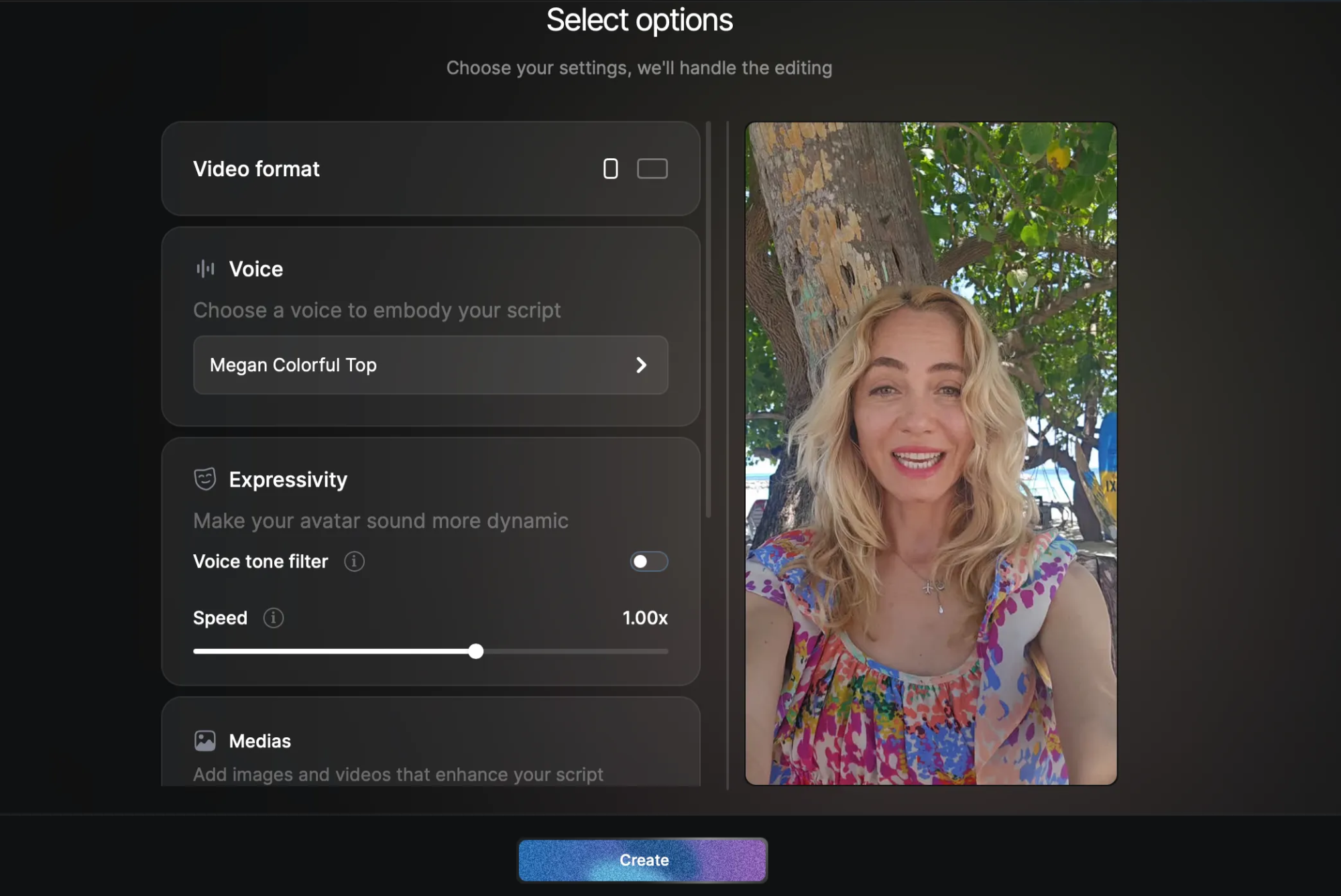
You train a realistic AI avatar, or AI twin from a short selfie video, then go from script to a polished, edited video in minutes, complete with auto captions, music, transitions and B-roll.
Argil's avatars are made specifically for personal branding through video: expressive and natural, with pacing and emotional tone built for social media rather than a boardroom.
You can generate the same video in multiple languages instantly. One creator can publish in English, Spanish and German without filming three separate versions. You can also create multiple avatar styles for different platforms: professional for LinkedIn, friendly for TikTok, and character based for YouTube. This way, you can test different personas without rebuilding your entire brand each time.
And because these tools are made for volume, you can batch create dozens of videos at once, all without filming or editing.
Tools like this, including the AI influencer workflows creators and agencies now run at scale, stay narrow on purpose: consistent, platform native content, produced without the burnout that comes from filming everything yourself.
Which Tool Is Right for You?
Synthesia is accessible and well reviewed if you just want to test the concept with an occasional video. HeyGen delivers strong production value for polished, scripted content aimed at a B2B or educational audience.
Real influencer work runs at a different pace though: daily posting, testing personas, reaching multiple markets at once. A content co-pilot platform like Argil is designed around that pace specifically.
AI Avatars: Changing Influencer Workflows in 2026
An agency running content for six client accounts used to need a separate filming schedule, wardrobe and available presenter for each one, just to shoot a week's videos. With a content co-pilot, one operator scripts, generates and schedules that same week of content for all six accounts from a laptop, then spends the time saved testing which hooks and personas actually perform.
Whether you're a solo creator building a faceless brand, an influencer posting in multiple languages, or an agency managing dozens of channels, Argil can help. Sign up today to get started for free.