Digital Creator Meaning in 2026: How AI Is Changing the Definition
AI clones changed what it means to be a creator. See how tools like Argil are redefining digital creator meaning in 2026, and what it takes to keep up.
We've built a free resource on leveraging AI avatars in your business. It centralizes 50 use cases across 4 categories (Personal Branding, Marketing and Sales, Internal and Enterprise, and Educational and side hustles). You can access it here.
Ask what "digital creator" means today and you will get a different answer than you would have five years ago. It used to describe someone who filmed, edited and posted content by hand. Now it describes someone who directs a system: AI clones, automated editing and scripting tools that do most of the physical production work.
More than 200 million people worldwide now identify as content creators, according to Exploding Topics, and lowering the barrier to entry is a big reason why: once scripting, filming and editing can happen in minutes instead of days, more people cross the line into making content at all.
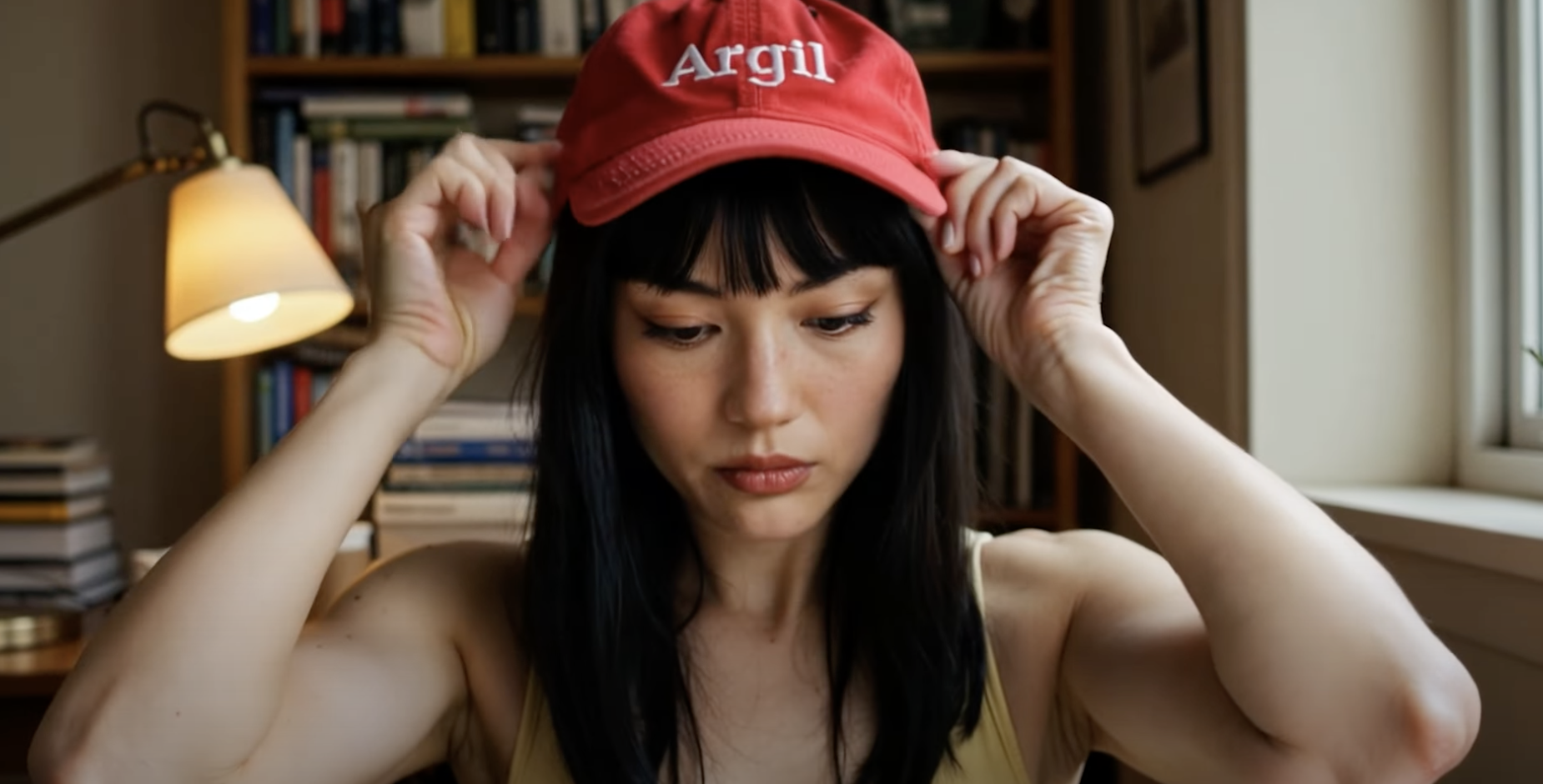
Platforms like Argil are a big part of that shift. With automatic editing and AI clones, you can create a customized, engaging video in under 10 minutes and post it across multiple platforms.
In this article, we will look at how the definition of a digital creator has changed and what AI tools like Argil are doing for creators heading into 2026.
Digital Creator Meaning: Then vs Now
The meaning of "digital creator" has moved a long way in five years. In 2020, the job was mostly manual: shooting on a phone camera or with lighting and camera rigs, then editing in something like Final Cut Pro yourself or paying someone to do it.
That setup produced real problems: burnout from constant production, tight schedules, budget limits and inconsistent posting.
AI clones changed the economics of all of that. Scripting, filming, editing, optimization and scheduling now fit into a single sitting instead of a week, and you no longer need a big budget or advanced editing skills, just a clear sense of how to direct AI tools toward a result.
Creators no longer spend weeks on manual work. AI agents like Argil handle script generation, editing, publishing, and A/B testing, which means content can now be produced by ordinary people who also hold down full time jobs and other responsibilities.
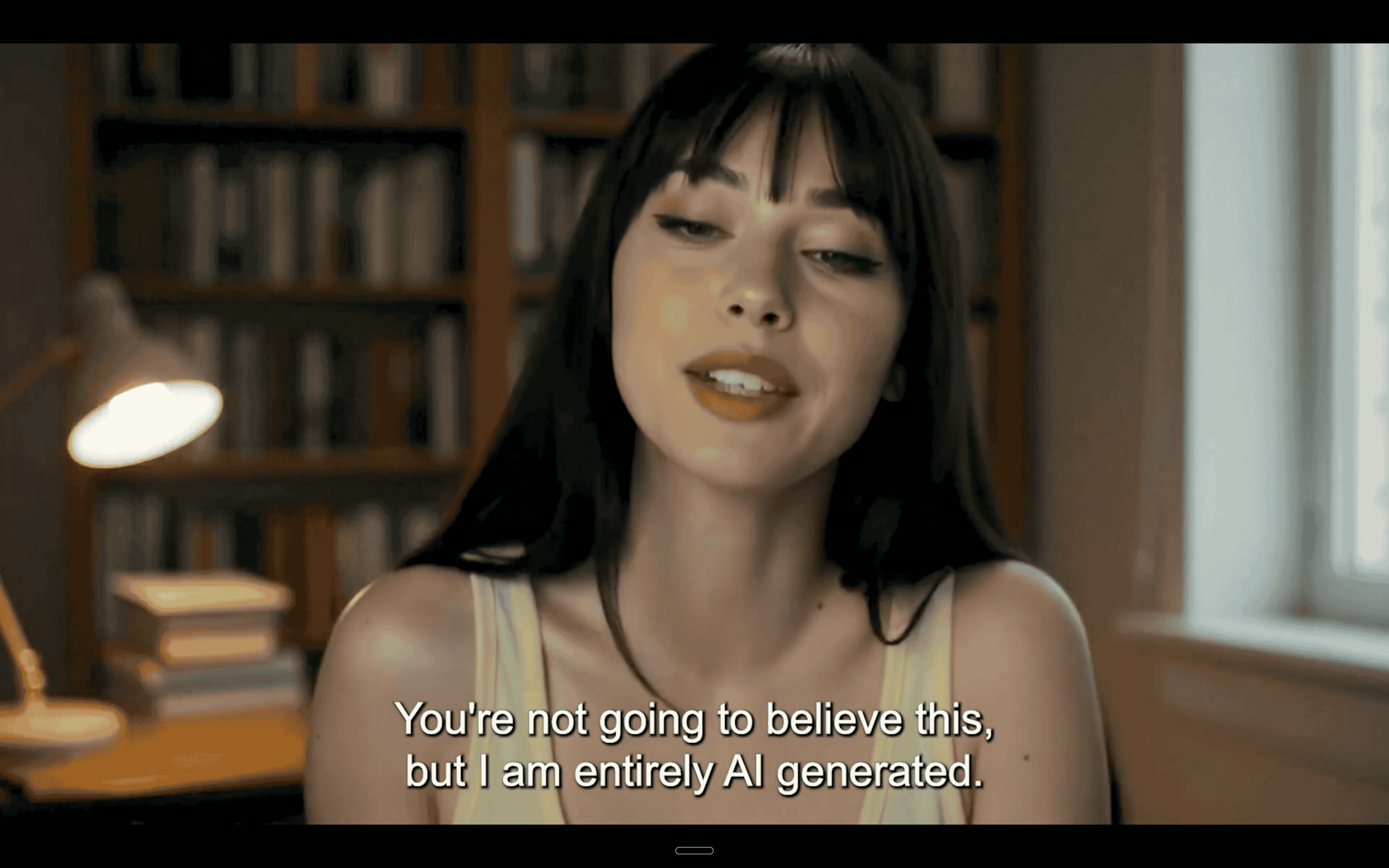
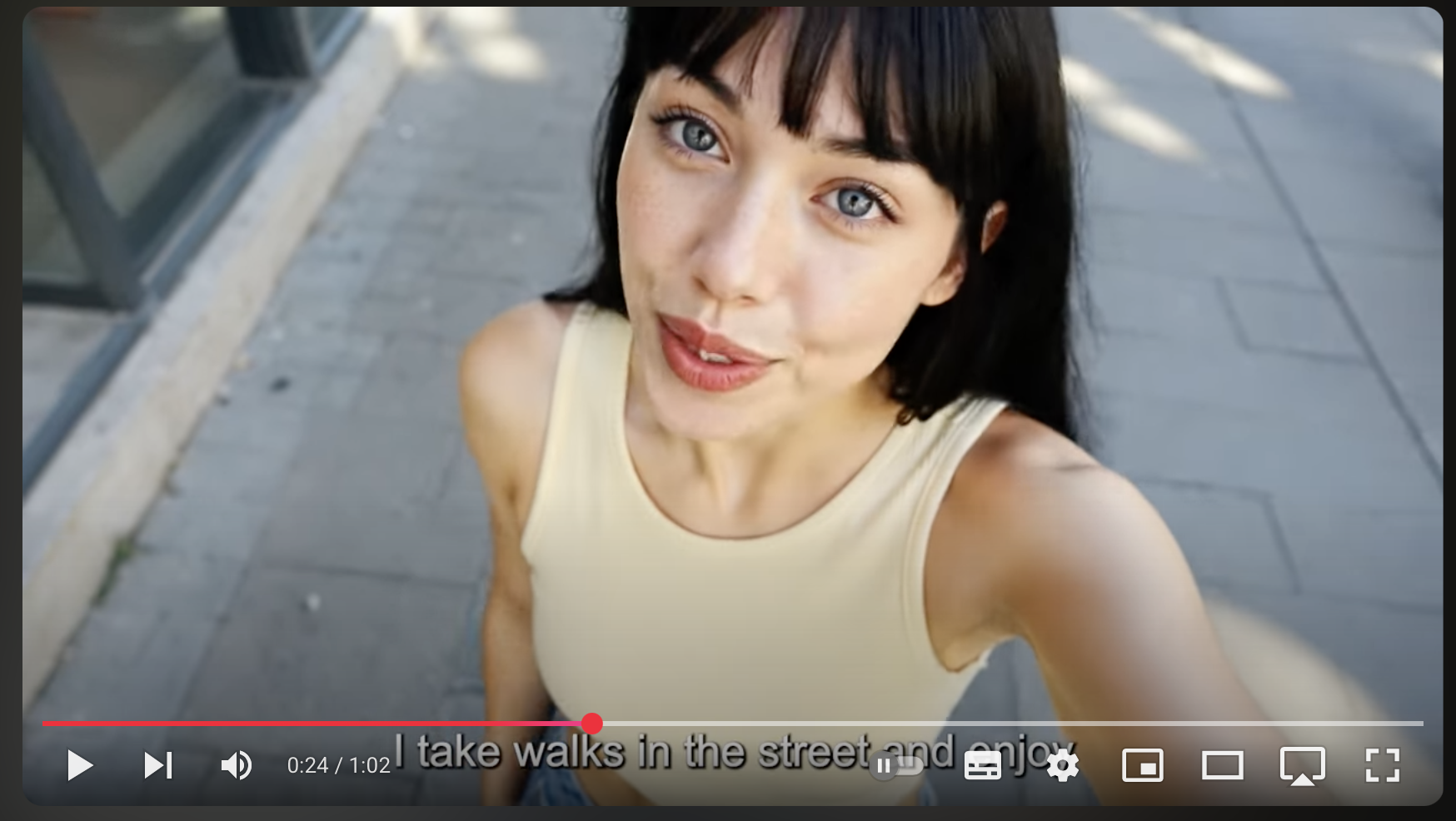
AI clones are central to this shift. They let people create videos without appearing on camera or shooting multiple retakes. Early AI clones were stiff and robotic, which made them a poor fit for anything that needed personality or expression. Argil's hyper realistic AI clones move naturally, speak with emotion, and read the context of a script the way a person would.
What Is a Digital Creator in 2026?
In 2026 that role looks closer to a producer than a camera operator: fewer hours filming, more time deciding what gets made and checking it before it ships.
The creators getting the most out of this shift are the ones building systems that scale their output across platforms, audiences and time zones, publishing in more places and testing more variations than a single person filming by hand ever could.
A few distinct types have emerged:
AI Native Content Creators
These creators build their entire pipeline on AI tools rather than stitching pieces together by hand. A video generator like Argil handles production, and the rest of the pipeline (this article covers exactly how, further down) runs largely on its own.
With that pipeline running, a creator's job becomes final review: checking a video before it goes live, while the automated system handles the rest.
Multilingual Video Creators
Creating for a global audience is now a realistic option for a small creator, not just a large studio. With AI clones, you can generate the same video in multiple languages to reach new regions or build separate channels for different markets.
Argil supports voiceovers and captions in more than 50 languages, and you can change the language your avatar speaks and its captions in a couple of clicks.
Digital AI Influencers
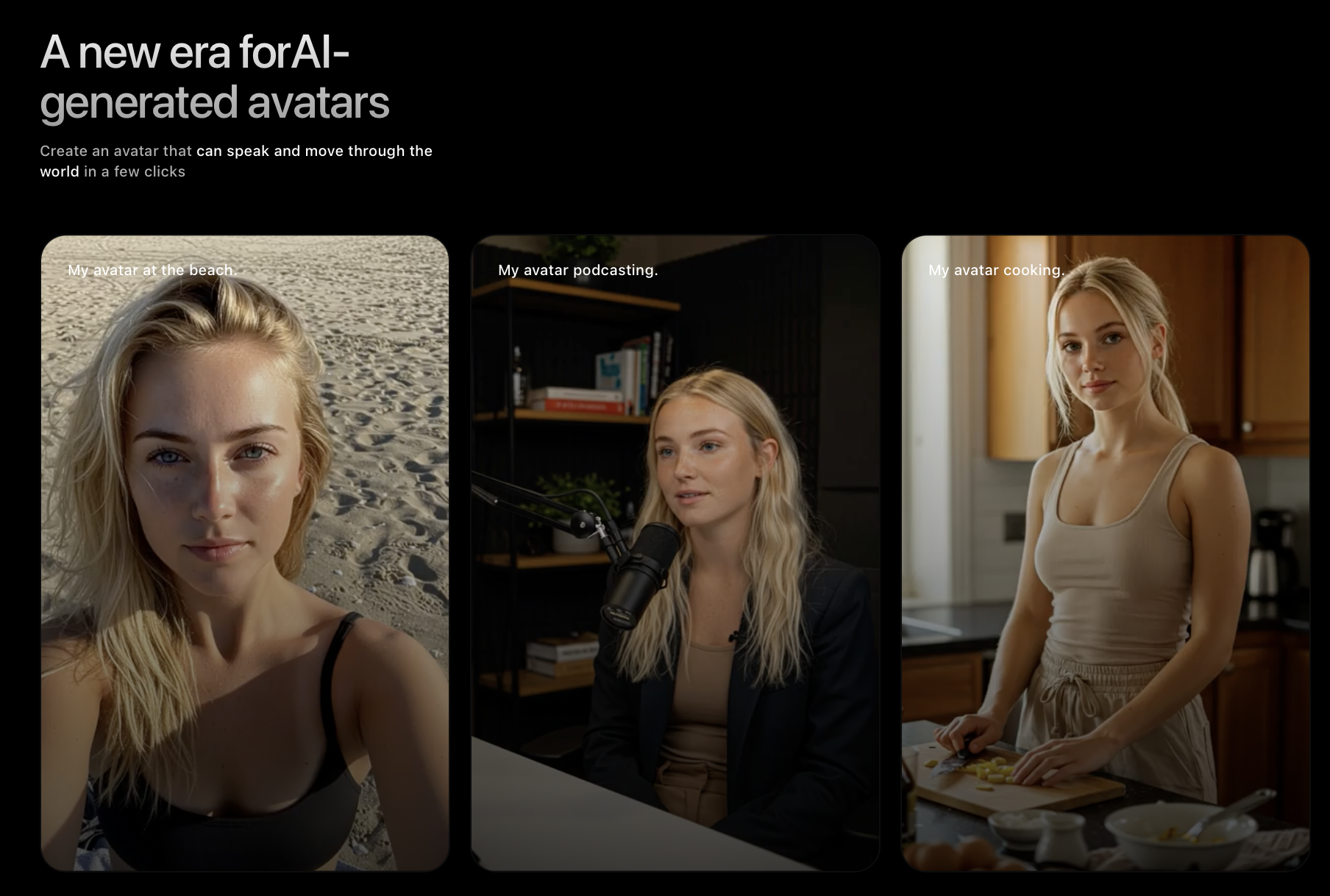
AI influencers are more visible than ever. Lil Miquela and Shudu are the best known examples: both run active brand partnerships with names like Prada and Calvin Klein, and both have millions of combined followers across Instagram and TikTok.
With Argil, you can build your own AI clone or custom avatar to appear in videos, ads and tutorials, all without a video camera or actor. Build the avatar once, and it can generate weeks of content across different tones, languages and styles.
Can AI Influencers and Digital Creators Make Money?
AI tools are changing who counts as an influencer or content creator too. Personas like these run ongoing brand deals and appear in real ad campaigns, pulling in millions of views and real income for the humans who build and operate them. A purely human run influencer economy is no longer the only version that works.
The appeal is straightforward: an AI clone lets you produce content on a schedule, with a few clicks, instead of spending hours filming and reshooting. Not happy with a scene, or want to change an outfit or a message? You can edit the video in seconds instead of reshooting the whole thing.
Argil's AI clones let creators compete in the influencer space by producing UGC style content at scale. You can adapt a video for a specific audience, A/B test hooks, outfits and CTAs, and have your avatar speak in multiple languages.
AI clones and influencers also open monetization paths that were harder to reach before: affiliate video reviews, automated course content, and licensing to brand partners.
With this approach, you can build a passive income stream while still producing professional grade video that engages an audience and grows a brand.
How AI Tools Like Argil Are Redefining Online Content
Ring lights and an Adobe subscription used to be the standard creator toolkit. Argil is built for creators who want to grow and monetize without spending hours on production and editing.
Here is what is changing the meaning of "digital creator" heading into 2026:
AI Script Generation
Give the script generator a simple text prompt and it produces a script with a hook and a CTA built in. You can also use Argil's article to video tool to turn a blog post or email into a script.
AI Clones and Avatars
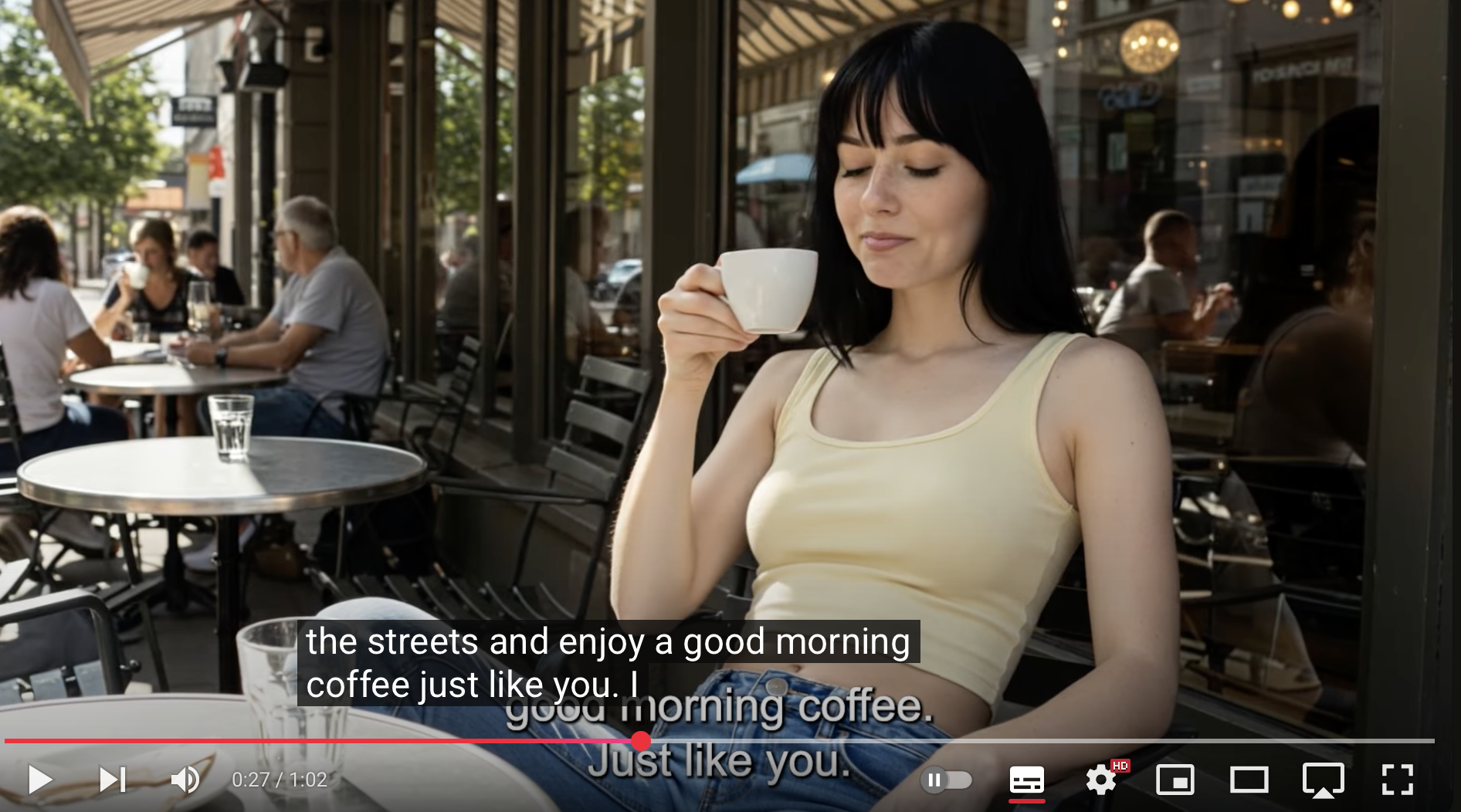
Argil's AI clones and avatars have accurate lip sync, natural movement and expressive delivery. They can move, hold branded products, and perform actions like drinking coffee, walking or working out, and they read the context of a script the way a person would. If you want to see the technology up close, our AI twin explainer walks through how it actually works.
A/B Testing at Scale
Create and test video variations instantly: different hooks, CTAs and tones, so you can see what your audience actually responds to.
Automatic Editing
Argil removes most of the manual work in editing. Generate a video from a script and it automatically adds captions, B-roll, music and transitions. You can adjust those settings yourself with a drag and drop interface if you want more control.
Do AI Content Platforms Help You Share More Content?
Distribution is now a built in part of being a digital creator: AI platforms let you share content across platforms without manually resizing, reformatting and editing each version.
Repurposing content across TikTok, YouTube Shorts, Instagram and LinkedIn (if you are in a business or entrepreneurial niche) helps you reach more people. Reformatting a single video for four platforms by hand realistically costs a few hours you don't get back, and that cost is exactly what keeps smaller creators stuck publishing to just one place.
Argil solves that directly. Auto edited, platform optimized videos with captions, transitions and B-roll are ready to deploy across channels in a few clicks. YouTube needs specific thumbnails and keywords, TikTok favors a strong hook in the first second, and Argil's editing tools account for that per platform.
Argil's multilingual AI clones also let you create videos in multiple languages or localize for a new market, and you can A/B test thumbnails, avatars, tone, hooks and CTAs, then check which version actually performed best before deciding what to make next.
For a growing share of creators, that is what "digital creator" means in 2026: someone whose content ships faster and wider because their strategic calls are backed by real performance data.
Consumers Actually Prefer Video
This is not just a creator side story. On the audience side, 63% of consumers say they would rather learn about a product or service through a short video than a text article, which only 12% preferred, according to Wyzowl's 2026 State of Video Marketing report. Audiences already prefer the format, and the tools that make video fast to produce are what let a small creator actually meet that demand instead of losing the attention to whoever can afford a full production team.
Use Cases That Reshape the Digital Creator Meaning
Video Lessons
Educators and coaches who want bite sized video content, whether it is for a paid course, a paywalled platform or social promotion, now fall under the digital creator meaning too.
Argil's article to video tool turns an article or piece of text into a video with B-roll, captions, transitions and AI clones. You can also link your Argil x Make account with PDF.co to create videos directly from PDFs or ebooks.
Internal Comms
That same video over text preference from earlier (the Wyzowl 63% vs 12% figure) holds up inside a company just as much as it does with customers. A team update people actually watch beats one they skim past in a long email thread.
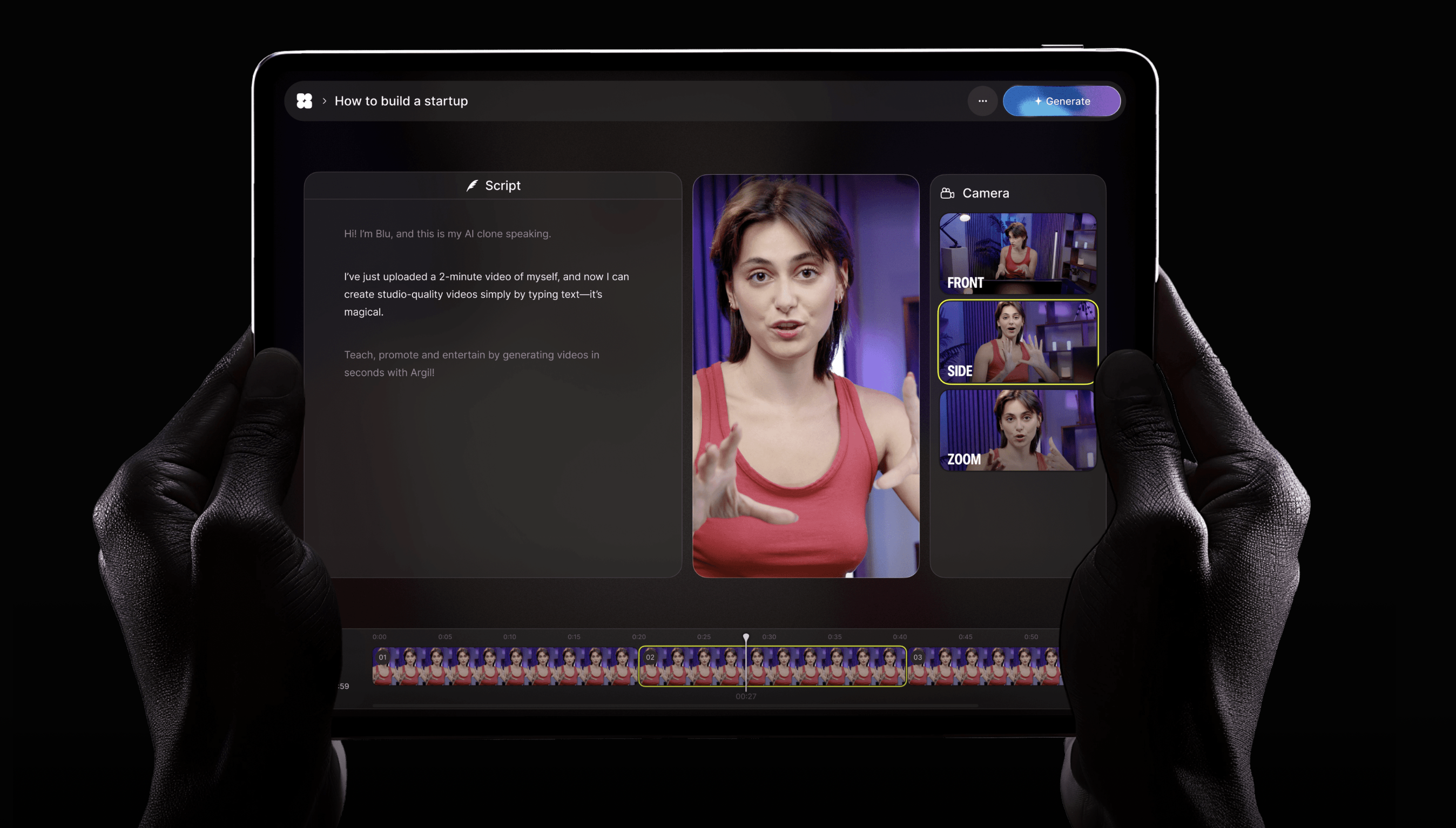
Argil lets you build an AI clone that looks, moves and sounds like you, so you can create short team updates in minutes. To train the avatar, upload a 2 minute video of yourself speaking. From there you can tweak the avatar and reuse it across dozens of videos without booking a camera or a room each time.
Product Marketing
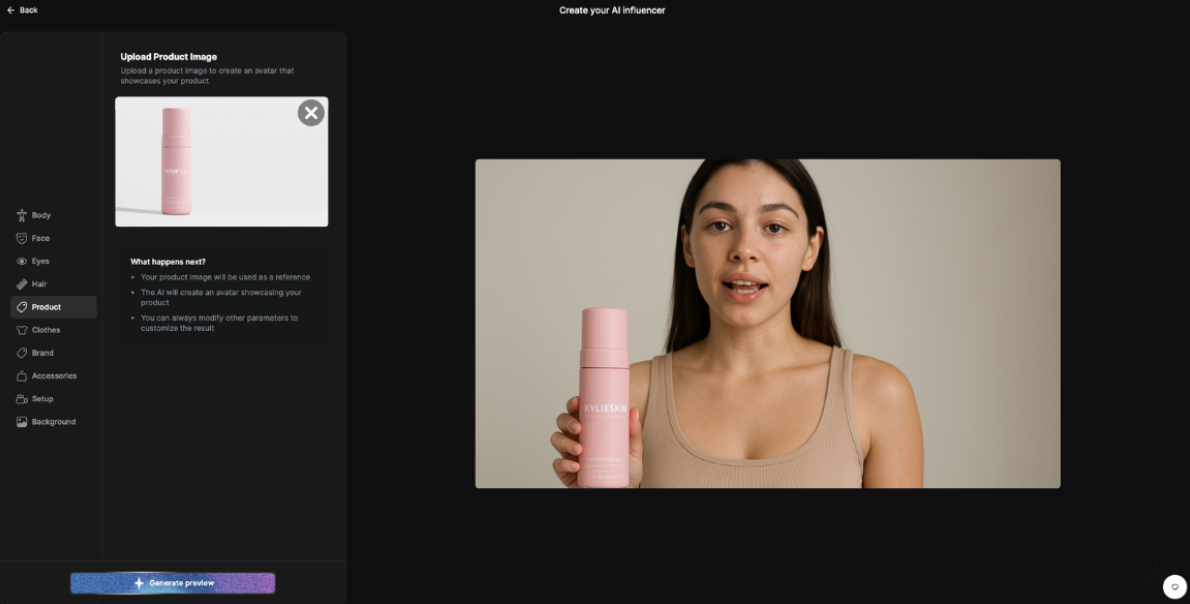
AI clones also work well for product demos, event promos and feature breakdowns for your marketing channels. Design your own avatar, have it hold your product or wear branded clothing, and generate a dozen versions of the same demo script across different tones or languages instead of re-filming it once per market.
Personal Branding Content with AI Clones
Your AI clone can produce personal branding videos: "day in the life" content for Instagram or TikTok, LinkedIn thought leadership snippets, or fashion content for TikTok. These are produced in under 10 minutes with no camera, complete with transitions, captions, background music and branding. For more on what actually works here, see our breakdown of personal brand examples that drive real business results.
Advanced Digital Creator Workflows with Make.com
Automated workflows are how creators scale without a big budget or a technical background. Tools like Argil and Make.com have cut the operational side of content production down to almost no manual work.
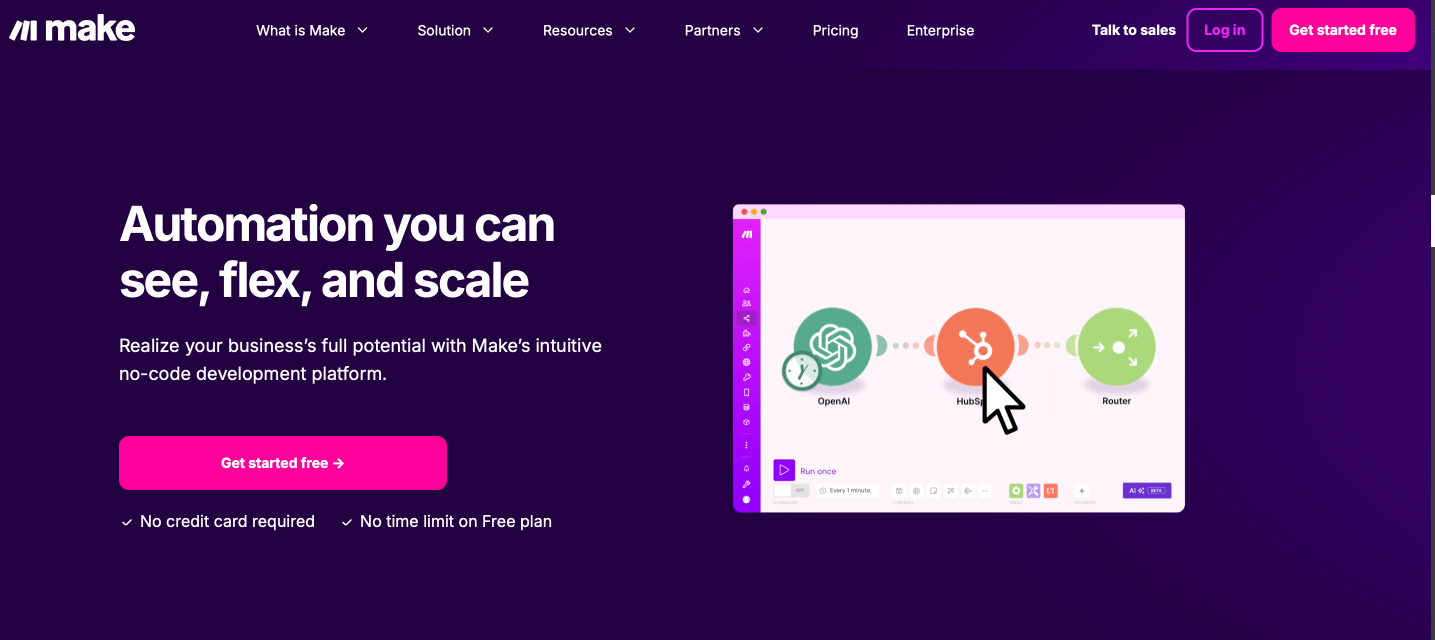
Make is a no code automation platform that connects natively to Argil, so you can build automated workflows across thousands of apps, including ChatGPT, HubSpot, Google, and content scheduling tools.
That means you can run a pipeline while you sleep, work, or go about your day. For example, a PDF to video workflow can instantly convert a whitepaper or educational document into a short video lesson. Or connect an email platform like Beehiiv or Substack so long form email copy becomes a video optimized for TikTok, LinkedIn or YouTube Shorts.
The payoff of a workflow like this isn't fewer hours on camera, it's fewer hours anywhere near an editing timeline. Your videos still need human input, but your role shifts to reviewing what ships and deciding what gets made next, not clicking through export settings.
The real benefit of automated workflows is testing 10 or more video variations a week, so you can iterate and grow faster without burning out or losing momentum.
How to Automate Video Content with Argil's AI Clones
- Create an account on Make.com
- Connect your Argil account using this link
- Connect your Google Sheets or Notion account, wherever your content ideas live
- Use Make to trigger Argil to generate a new video when a content idea is added
- Connect Make to Slack or your comms tool to get notified when the video is ready
Scale Your Content Output with Argil Today
Being a digital creator in 2026 still means competing for attention against people who post daily, without matching their hours. Many creators are still building alongside a full time job or studies, which is exactly why tools like Argil matter. Record once, generate multiple videos from that one recording, and you can stay consistent through busy periods without extra filming.
You can also test multiple video variants against your actual audience instead of guessing which hook or CTA will work, so you improve based on what happened, not a hunch.
Creating a hyper realistic clone means every future video starts from that one recording. Editing a script or adjusting messaging for a different audience takes seconds, not a new shoot.
To get started, sign up for free and build your AI clone. Plans and current pricing are on our pricing page, and you can trial the automatic editing tools to see how fast professional grade video actually gets made.