MP3 vs MP4 in 2026: Which Content Format Works Better (and Why Video Might Be Your Best Bet)
Trying to choose between podcasting and video creation? If so, you might be weighing up MP3 vs MP4. Here’s how to decide which format is right for you and your
What's the Difference Between MP3 vs MP4?
If you're deciding between MP3 vs MP4 for your content strategy, you're really deciding between two different growth paths. MP3 is the format behind audio content like podcasts. MP4 is the format behind video, the kind you scroll through on TikTok, Instagram Reels and YouTube.
Both formats can build an audience. But they do it in different ways, at different speeds, and with different odds of success if you're starting from zero. New creators rarely have the time or budget to run both well from day one, so the format you pick first shapes how fast you grow, how easily people find you, and how much of your week goes into production instead of everything else running a content business involves.
Here's how the two actually compare for someone starting out in 2026, and where the smartest creators are landing.
Why MP3 vs MP4 Matters More Than Ever
Influencers, marketers and small businesses all face the same constraint when it comes to creating content: limited time and budget. You can't do everything well, so choosing MP3 vs MP4 becomes a strategic decision that directly shapes your growth.
Social platforms are rewarding video harder than ever. YouTube Shorts, TikTok and Instagram all push short form video into new feeds constantly. Podcast discovery on Spotify and Apple, meanwhile, hasn't changed much in years, even as audio listenership keeps climbing.
Here's how each format actually performs once you get past the theory.
MP3 vs MP4: Breaking it Down
MP3/Audio Content: Strong Loyalty, Weak Discovery
Podcast listening keeps growing. There were an estimated 584 million podcast listeners globally in 2025, and that number is projected to reach 619 million in 2026, according to DemandSage. Listener loyalty is high too: Buzzsprout reports that 80% of listeners hear all or most of every episode they start. Compare that to video, where a large share of viewers drop off in the first few seconds, and audio starts to look like the more forgiving format.
Producing a podcast is also fairly straightforward. All you really need is a decent microphone and basic editing software like Audacity or GarageBand. The barrier to entry is low, which is part of why podcasting took off in the first place.
Audio also builds a specific kind of trust. There's something intimate about a voice in your ears. It creates a parasocial connection that works well for long form teaching, interviews, storytelling, and brand deals.
Spotify and Apple Podcasts still don't have recommendation engines that come close to what YouTube or TikTok can do, which means podcast discovery mostly happens through word of mouth. You typically need an existing audience just to grow your podcast, which is a tough catch-22 for someone starting from nothing.
Podcast clips don't travel the way short video does either. People rarely drop an audio clip into their stories the way they pass around a 30 second video.
Creators who already have an audience get the most out of MP3: it deepens a relationship that already exists. Building that relationship from zero through audio alone, though, is usually a slow grind that doesn't pay for itself for a long time.
MP4/Video Content: Built for Growth and Conversion
For a new creator, video wins on distribution. YouTube, TikTok and Instagram are all built to push your content to new people if you post consistently, which is exactly what building a following from nothing requires.
There's also a simpler reason people connect with video faster: they can see you. A face, a tone of voice, the way someone moves when they talk, all of that lands before a single word does, which is why viewers follow someone after one clip in a way they rarely do after one podcast episode.
Video is easier to repurpose than audio, which helps you grow across multiple platforms at once. One MP4 can become clips for Reels, Shorts, TikToks, GIFs, quote graphics and more, so you get more mileage out of every piece you create.
Branding compounds faster on video, too. Consistent templates, color grading, logos and captions build recognition in a way that's harder to pull off with audio alone, and it's exactly where personal branding through video tends to pay off: viewers recognize your face and style before they recognize your name.
Production has always been the catch. Professional looking video meant real equipment, lighting, a decent microphone and hours in an editor.
How AI Video Can Help You Create Better Video Content
Most people already know video works. What stops them is simpler: they don't want to film themselves every day, and editing eats even more time than filming does.
Argil solves that by letting you create video content without filming new footage every time. You record yourself once for about two minutes, and the platform trains an AI avatar, or AI clone, based on that footage. From there, you generate new videos just by writing scripts or short prompts.
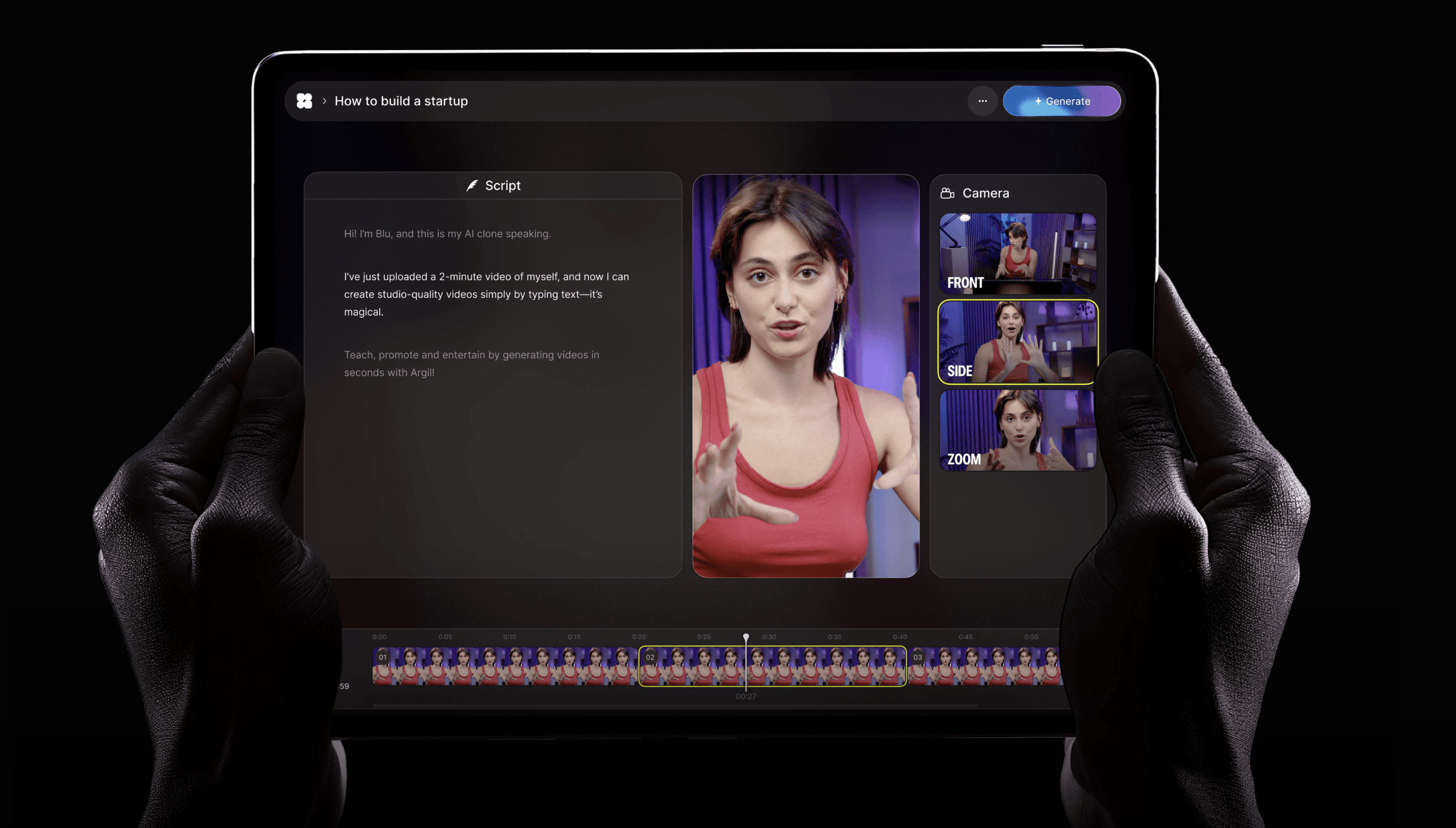
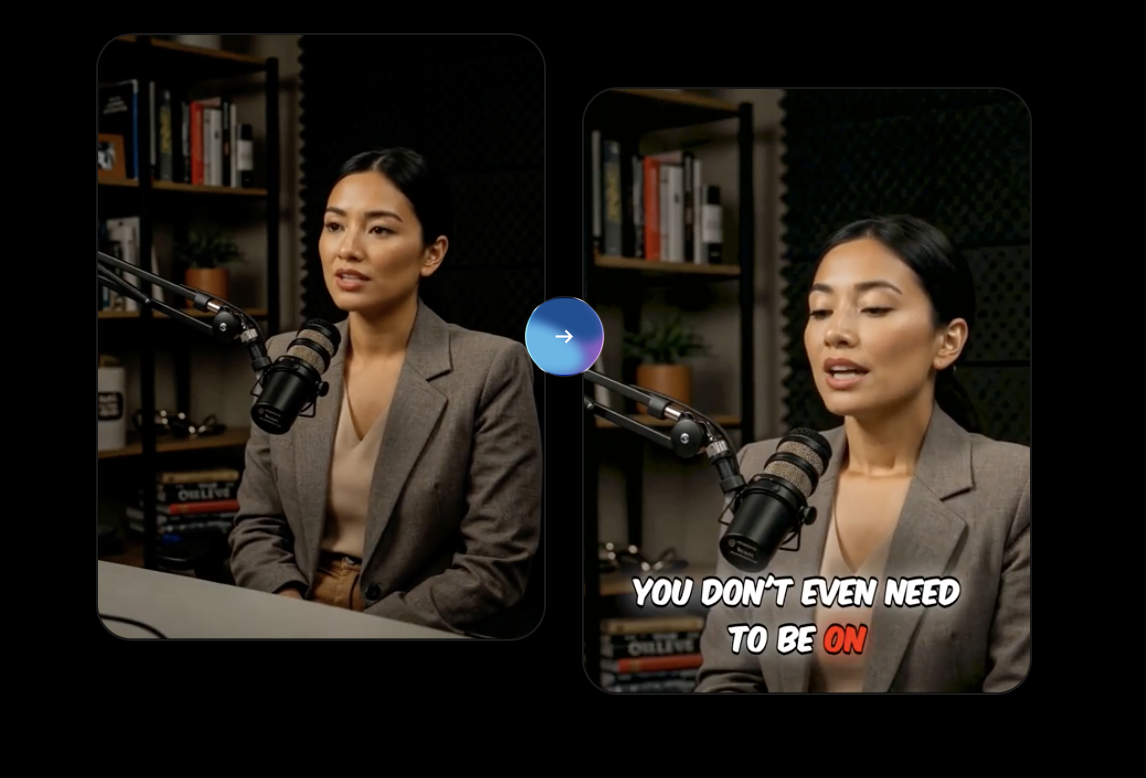
Podcast creators can put this to work directly: take existing MP3 audio and turn it into visual MP4 content for YouTube Shorts or Reels. The audio stays the same, but now there's a visual layer that helps you grow on socials and attract new listeners back to the podcast.
Writers and bloggers can do the same thing in reverse. Argil's Director turns a script, article or newsletter into a talking head style video, so existing writing gets a second life as video without filming or editing it by hand.
Argil handles captions, transitions, visual elements and editing automatically. The time investment drops from hours to minutes, and the same piece of content ends up covering both depth and reach instead of forcing a choice between them.
The platform also supports testing multiple hooks or tones without reshooting anything. Change the script, generate a new version, and see which one lands.
MP3 vs MP4: A Simple Decision Rule
Got a loyal audience that wants in depth content already? Keep making the podcast. Nothing about video replaces that intimacy, and switching formats on people who signed up for long form audio can cost you the relationship you spent years building.
Starting from nothing? Pick video first. It's the format the platforms are actively distributing right now, and the old excuse (production takes too long) no longer holds. With tools like Argil, producing MP4 content from a script takes about as long as recording and editing a podcast episode.
Already podcasting? You don't have to pick at all. Turn the audio you're already making into video and let it work both feeds at once.
Try Argil for free and see how quickly a script turns into a professional, platform ready video.