What Are Celebrity Deepfakes — And How Can Creators Use The Same AI Tech Ethically in 2025?
What celebrity deepfakes are, why they're dangerous, and how creators can use the same AI avatar tech ethically with consent.
We’ve just built the most complete FREE resource to leverage AI avatars in your business. We’ve centralized 50 use cases across 4 categories (Personal Branding, Marketing and Sales, Internal and Enterprise, and Educational and side-hustles). You can access it here NOW. Enjoy :)
What Are Celebrity Deepfakes?
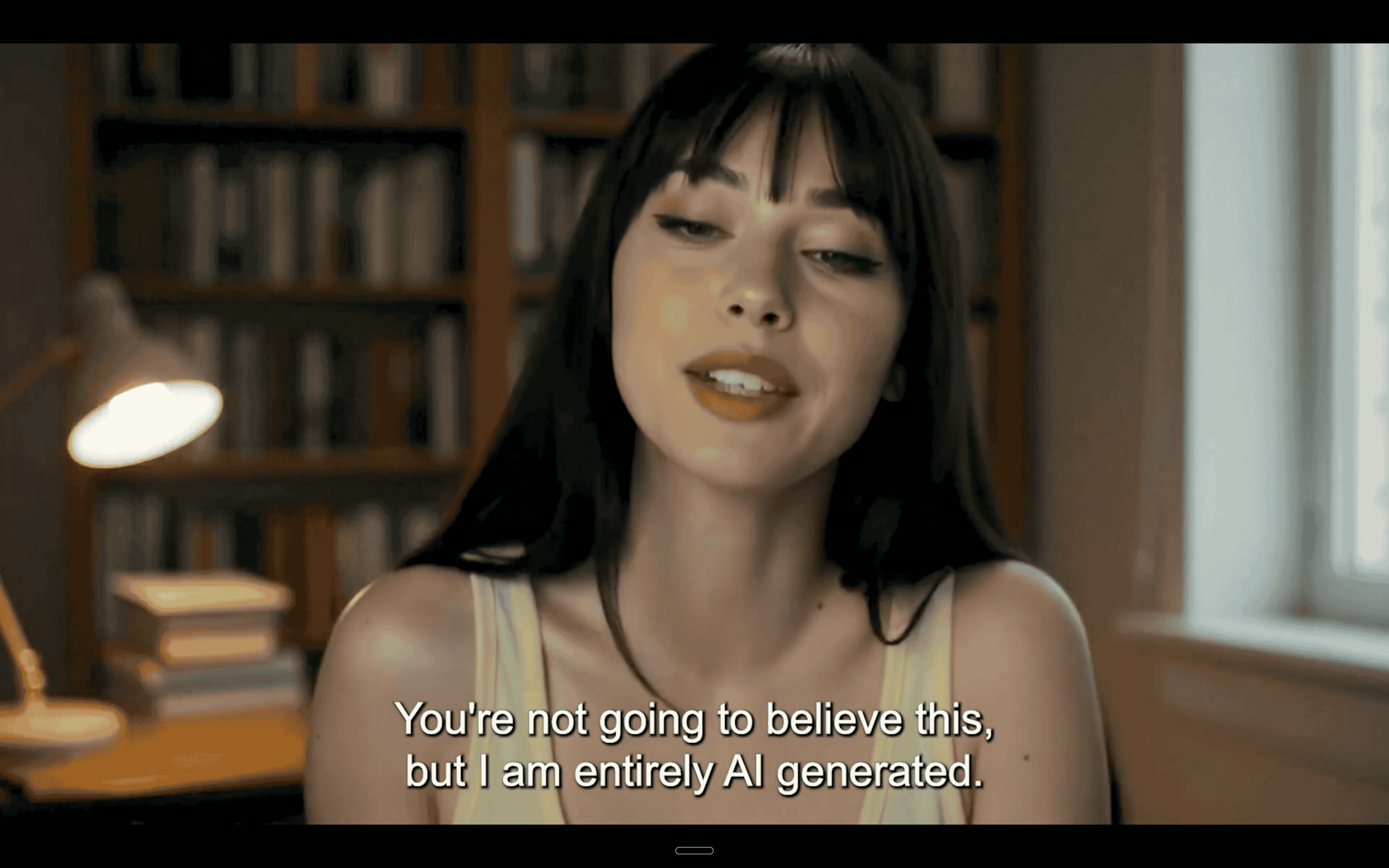
Celebrity deepfakes are AI generated videos or images built from a public figure's likeness without their consent, usually to fake an endorsement, spread misinformation or create explicit content. The same generative AI technology powers consensual, creator owned AI avatars. The difference is entirely about consent.
If you've searched for the meaning of "celebrity deepfakes" recently, you're not alone. Searches have increased dramatically over the past few years, as people grow increasingly curious, shocked and concerned about the impact of deepfake technology.
A while ago, we wrote about K-pop deepfakes. In a similar vein, celebrity deepfakes are realistic AI videos depicting well known figures without their consent. These videos are now so sophisticated that even people who work with AI tech can be fooled into thinking they’re real.
But beneath all the viral clips and controversy, there's something much darker going on: identity theft, defamation and exploitation.
Let's break down what's happening with celebrity deepfakes and explore how – on the other side of the coin – AI video tools can be used ethically to enhance marketing and content creation.
What’s Wrong with Celebrity Deepfakes?
Celebrity deepfakes grab attention because they're genuinely shocking and harmful. Seeing someone famous say or do something they never actually did is bad enough for the viewer – just imagine how it feels for the human being depicted in the video.
The problem is, social media algorithms love controversial content, so deepfakes tend to generate a huge amount of engagement and spread fast before anyone can take them down.
The spike in "celebrity deepfakes" searches shows people are both curious and scared about advanced AI technology. As humans in an increasingly competitive and difficult economic climate, we want to know how AI can help us, but we're also worried about how it gets abused.
What makes celebrity deepfakes so unsettling is just how real they appear. AI video technology has evolved significantly over the last few years, and can now study – in a matter of seconds – thousands of images and hours of video to copy someone's facial movements, voice and mannerisms. When it's done well, you can't tell the difference between the real person and their AI counterpart.
Now, imagine this technology was used for good, instead of inflicting harm and spreading misinformation?
Real Celebrity Deepfakes That Changed Everything
Here are some examples of celebrity deepfakes that shocked the culture and changed the way we talk about AI technology.
The Taylor Swift Deepfake Scandal
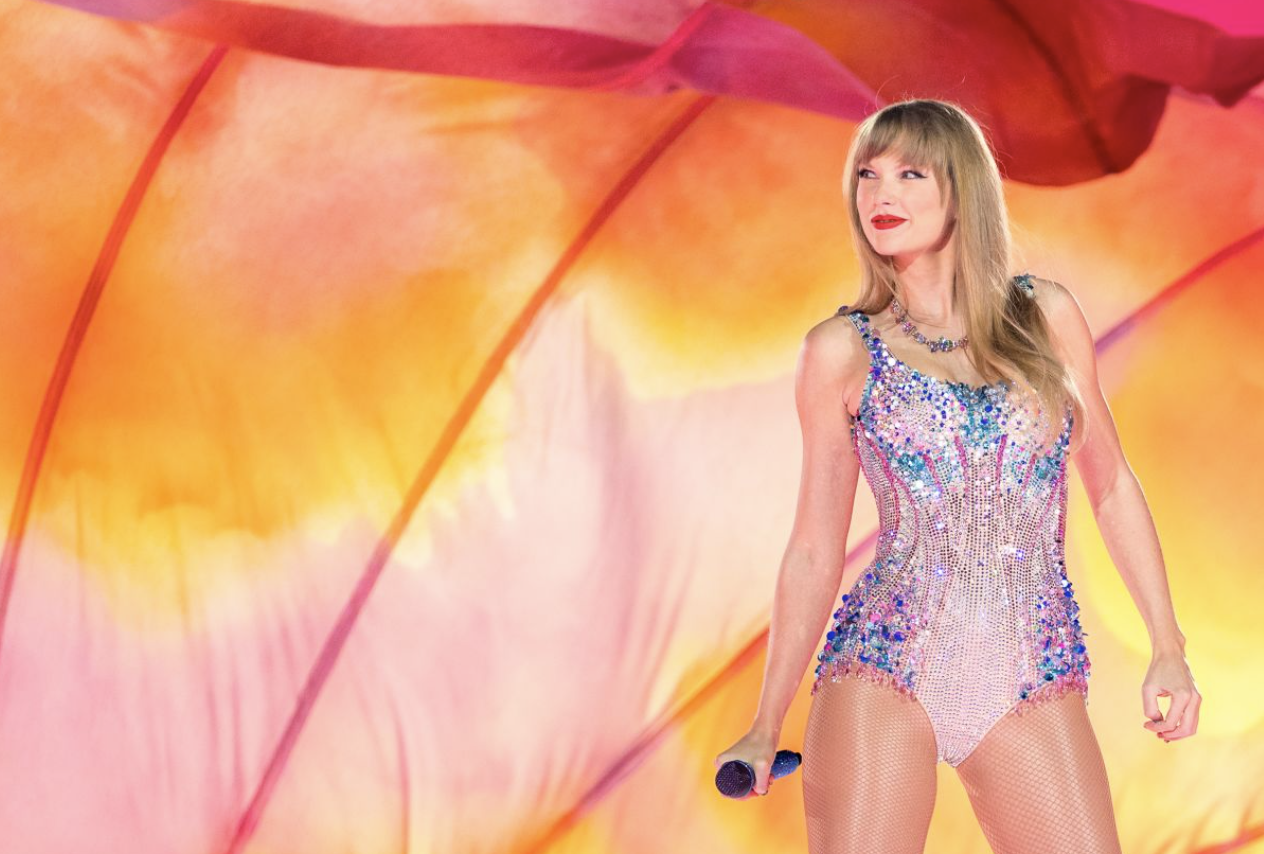
In early 2024, explicit AI generated images of Taylor Swift spread across social media and got millions of views before platforms could remove them. The controversy sparked huge outrage and brought consent and digital harassment into mainstream conversation.
Swift’s fans moved fast to bury the harmful fake images, but the damage was already done. This terrible abuse of AI technology showed just how damaging and violating celebrity deepfakes could be.
Tom Cruise's TikTok Deepfakes
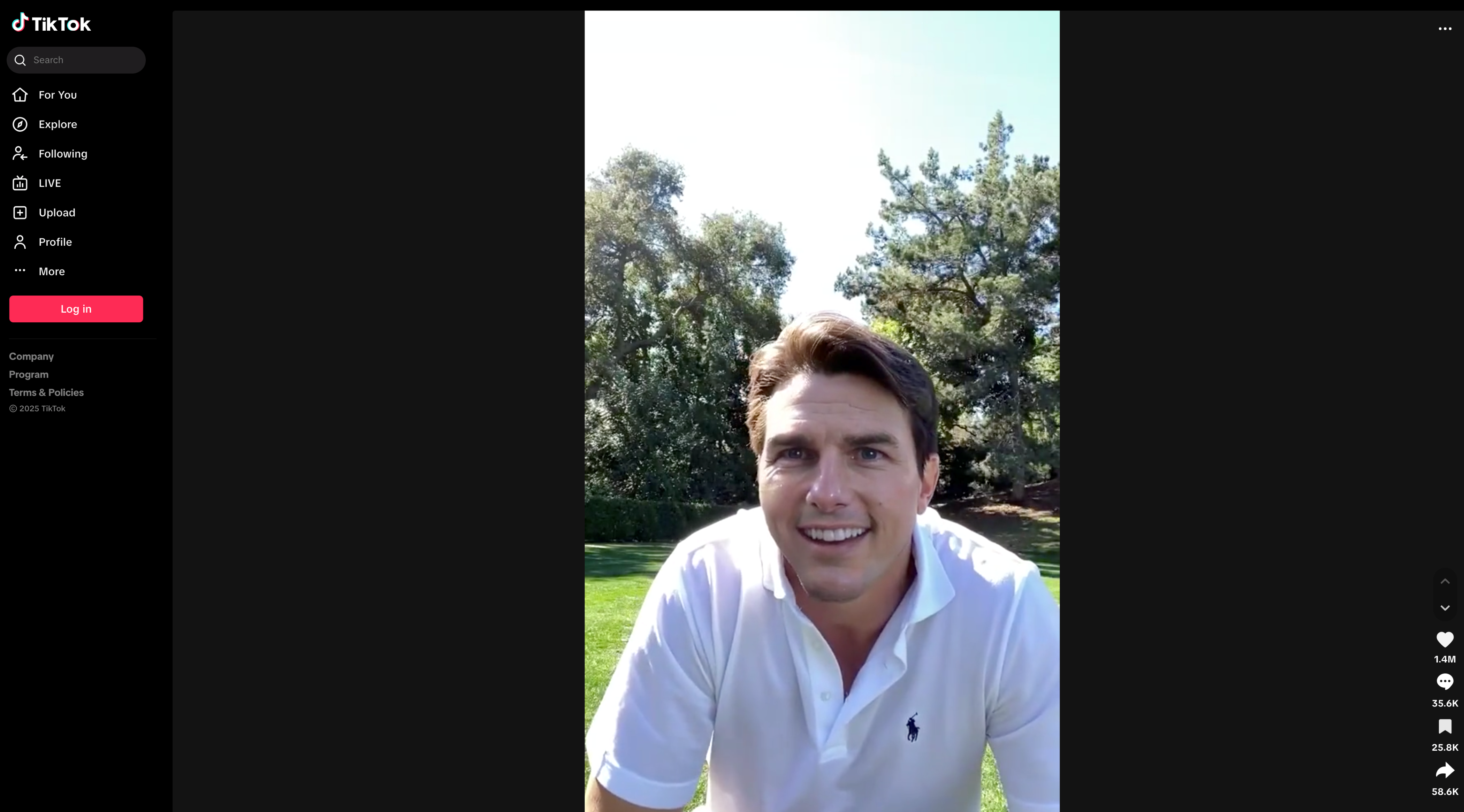
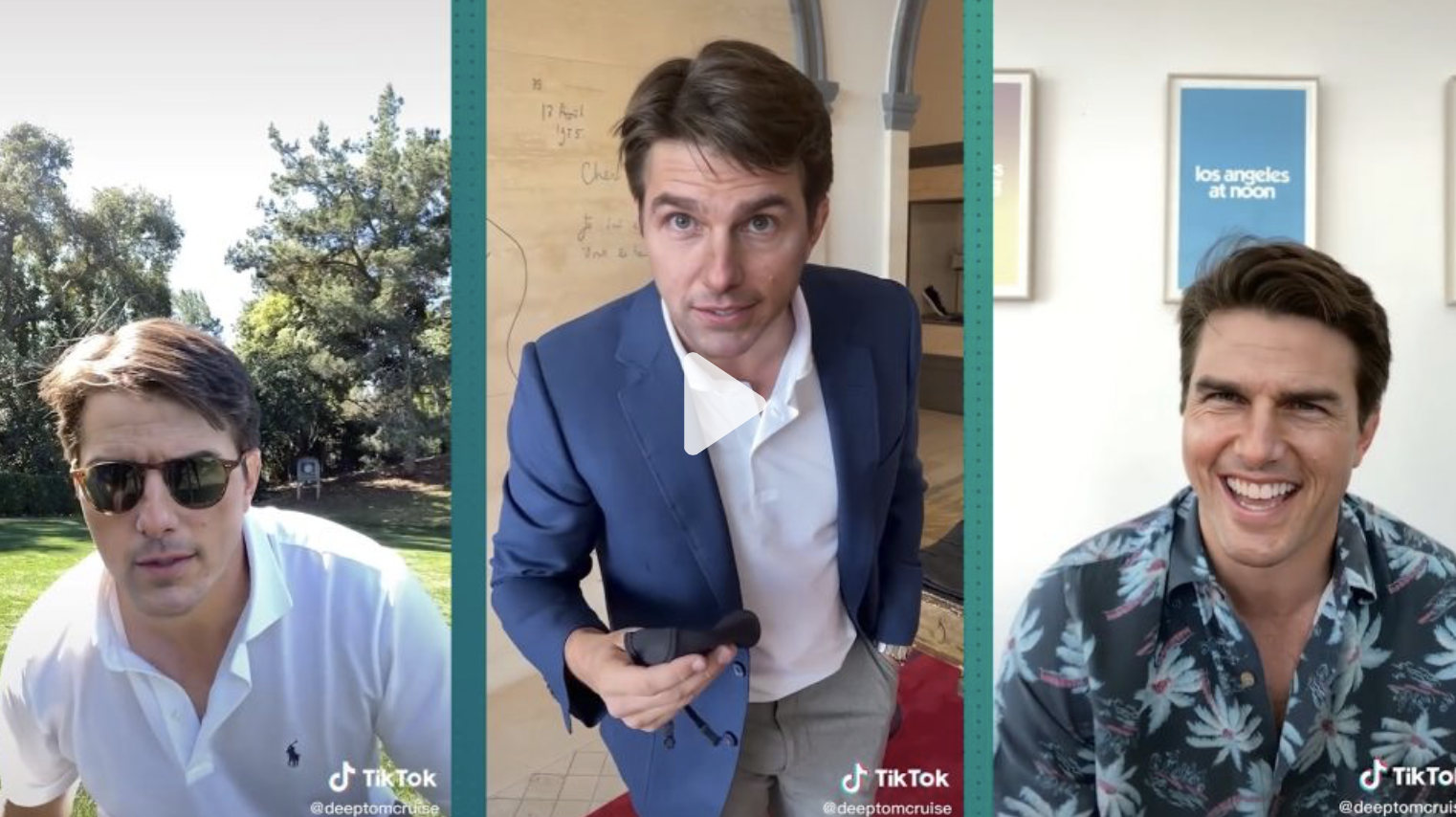
The @deeptomcruise TikTok account blew up in 2021, when someone made super realistic videos of "Tom Cruise" doing magic tricks and telling jokes. Unlike the Taylor Swift scandal, these images weren’t malicious, but the trend showed how blurry the line between real and fake has become. Millions of people couldn't tell if they were watching the actual Tom Cruise or an AI generated counterpart.
Elon Musk Scam Ads
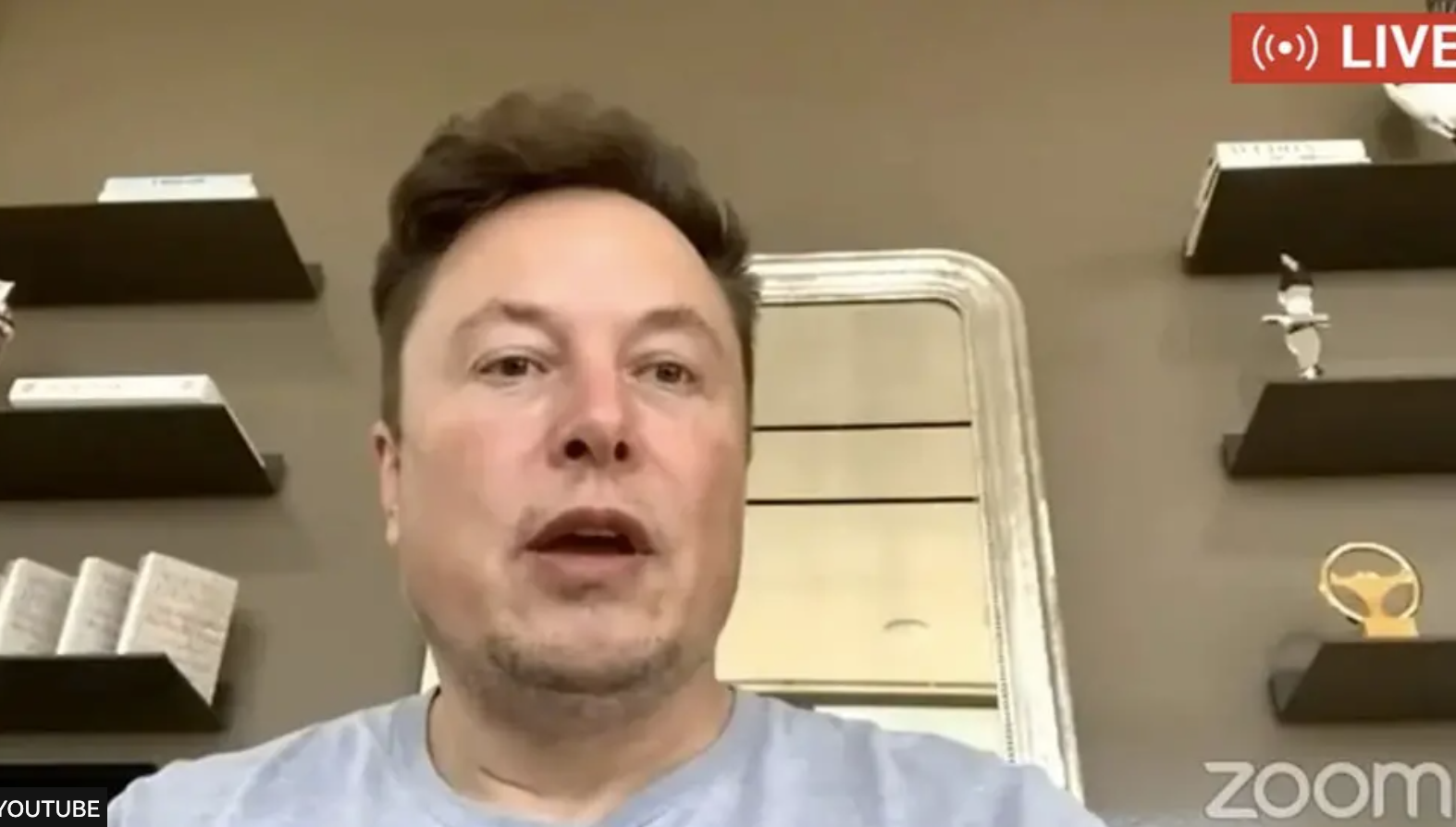
The celebrity deepfake scandal with the worst financial repercussions was probably the video streams of “Elon Musk” promoting crypto scams. These deepfakes use Musk's face and voice to push fraudulent schemes, tricking people into sending money to the impersonator.
Because of these deepfake videos, thousands of people lost real money believing they were getting investment advice from someone they could trust. AI generated fraud like this contributed to more than $12 billion in losses last year, according to Deloitte research, a figure projected to reach $40 billion by 2027. This scandal was identity theft on a massive scale, forcing governments to act on regulation.
In the US, the bipartisan NO FAKES Act would create a federal right over your own voice and likeness and was reintroduced in Congress in 2025 after stalling the year before. In the EU, the AI Act is no longer a proposal, it's already in force: since August 2024 it has required creators to clearly disclose when content is AI generated, including deepfakes, with heavier obligations phasing in through 2026 and 2027.
The Real Problem with Celebrity Deepfakes
The main problem with celebrity deepfakes is that the videos and images are completely unauthorized. Someone has stolen your likeness without your consent and used it for harassment, exploitation or fraud. It’s a new kind of identity theft with terrifying repercussions.
However, it is possible to use this advanced AI technology ethically. Creator owned AI avatars – like the ones we build at Argil – are 100% consensual.
Instead of creating an image or video of someone else, you train an AI clone of your own likeness and use it to scale your own content. It's your face, your voice and your brand. You’re in complete control, and you can only create an avatar by providing explicit consent – no one else can use your face or likeness.
Laws are starting to catch up to the bad faith actors on the scene, and lawmakers are recognizing that although the technology in itself is neutral, it can be used to inflict real harm if not properly regulated. The NO FAKES Act, if passed, would ban unauthorized deepfakes completely.
How Creators Can Use This Tech Ethically
Using the same technology responsible for celebrity deepfakes, you can create your very own (completely legal and ethical) avatar to represent you in videos.
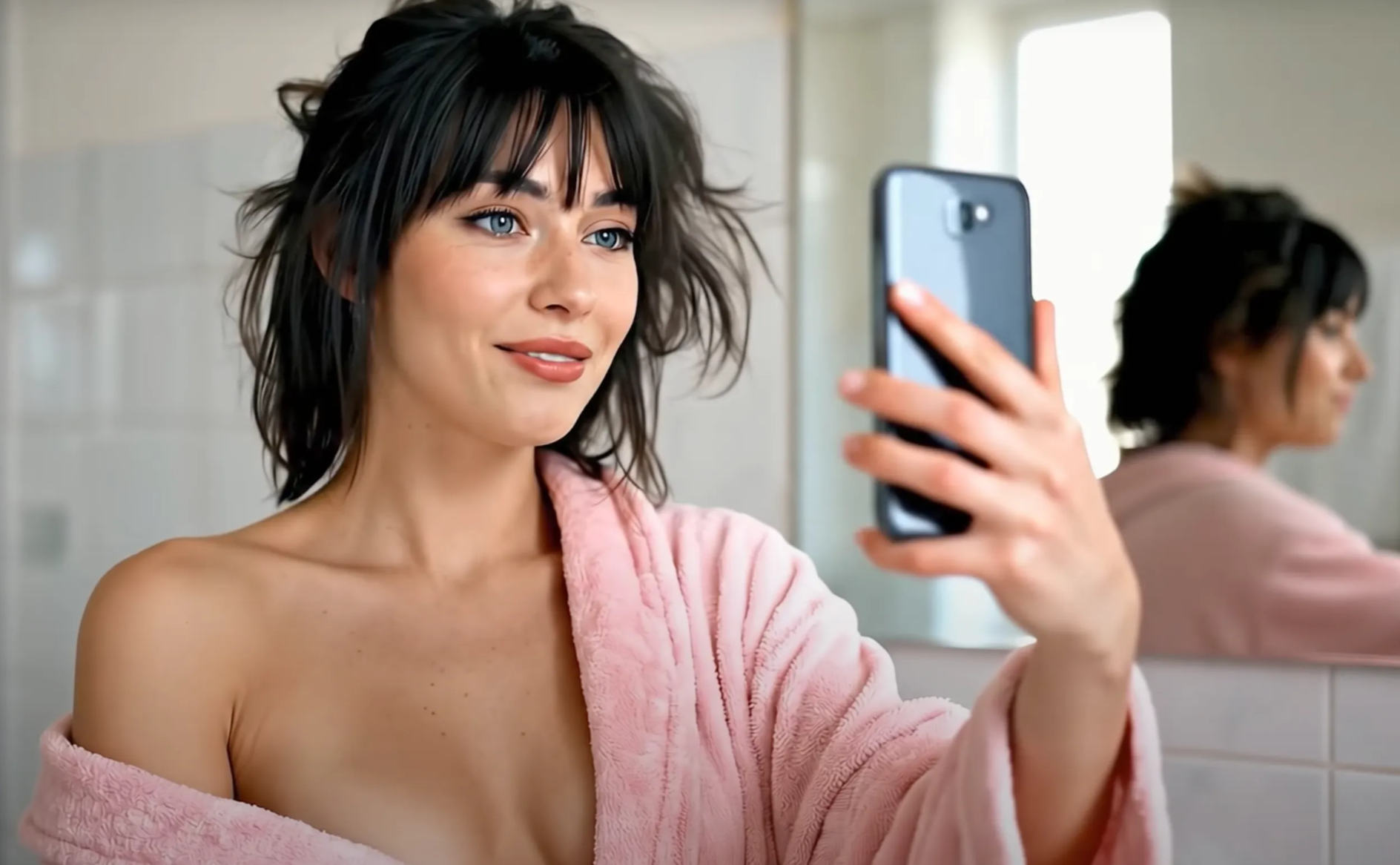
Using this AI avatar, you can:
Create Multilingual Content
With Argil, you can generate videos in Spanish, French, German… or any language you like without refilming anything. Suddenly, you can reach international audiences that were previously out of reach.
Work 10x Faster
It takes under 10 minutes to turn a text prompt into a fully edited video starring your AI avatar. There’s no camera setup, no manual editing, and no having to get dressed up every day to film content.
Automate Manual Tasks
Argil essentially covers the filming, editing and scripting, so all you need to do is focus on ideas and strategy. Our platform automatically provides captions, transitions, B-roll and background audio.
Test Different Versions
Try different hooks or styles to see what works, and scale your channels without the usual production headaches. (If you’re looking for tips, here are the top 10 video hooks that generate engagement in 2025.)
Rebuilding Trust After Celebrity Deepfake Scandals
Celebrity deepfakes have damaged trust in social media and technology in general. When people can't tell what's real anymore, they begin to doubt everything.
That's why being upfront matters. Creators using AI avatars should just be honest about it. Most audiences actually appreciate transparency – contrary to what you might think, being open about AI use builds trust instead of breaking it.
Frequently Asked Questions About Celebrity Deepfakes
Are celebrity deepfakes illegal?
There's no single US federal law banning them yet, so victims currently rely on a patchwork of state right of publicity laws, defamation claims and platform takedown policies. The NO FAKES Act would close that gap with one federal standard. In the EU, the AI Act already requires deepfakes to be labeled as AI generated.
How can you tell if a video is a deepfake?
Older deepfakes often had tells like unnatural blinking, mismatched lighting or audio that lagged the lips. Today's tools, including the best AI avatar platforms, have mostly closed that gap, so checking the source account and looking for an AI disclosure label matters more than trying to spot glitches by eye.
Is it legal to create an AI avatar of yourself?
Yes. The line between a celebrity deepfake and an ethical AI avatar comes down to consent and ownership: you're training the model on your own likeness, with your own permission, to make your own content. See our AI clone vs human video comparison for how that plays out for creators.
Sign Up to Argil – The Ethical AI Avatar Platform
The tech behind celebrity deepfakes isn't inherently bad – it’s the misuse that's the problem. The same AI that can be weaponized can also help you grow your brand ethically and scale across platforms, giving you more freedom to strategize, find your audience and monetize your work.
Consent and ownership are what matter most. Making an avatar of yourself, for yourself, that you control is completely different from using someone else’s likeness without their consent.
If you want to make more content without being glued to a camera, AI avatars provide a real solution. The same tech that created the celebrity deepfake problem can solve your content challenges when used in the right way.
Want to build your brand without the burnout? That's what Argil's for. Sign up today and try our tech for free.